
Reviewed · UNDERGROUND TOURS
Seattle: Guided Underground Walking Tour
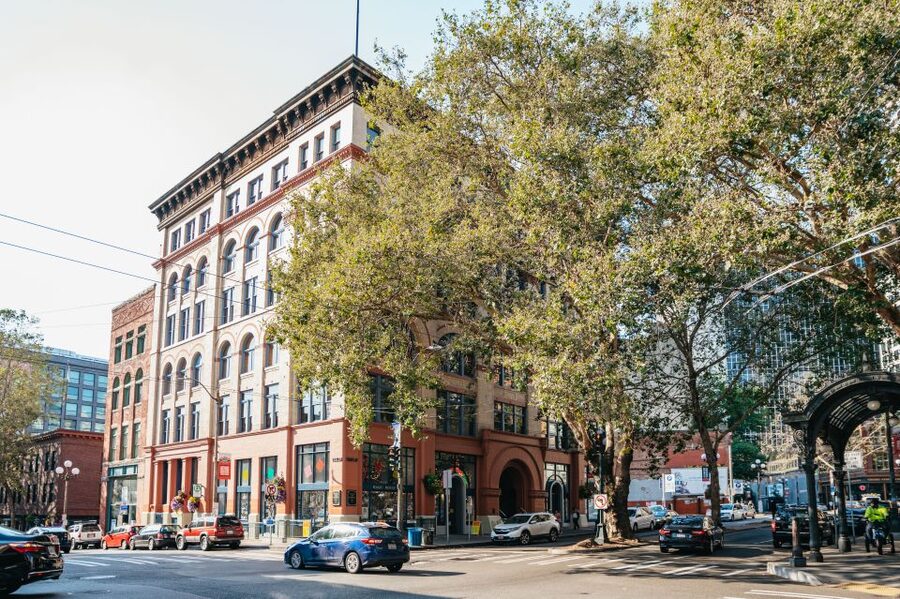
Underground Seattle is still walking distance away. On this guided tour, you explore Pioneer Square’s buried corridors and learn how the city rebuilt itself after the Seattle Fire. It is equal parts sidewalk archaeology and human storytelling.
I love two things right away. First, the tour makes the past feel physical, you are literally moving through passageways built in the 1890s under streets you walk every day. Second, the guides bring real energy, names like David, Mark, Mike, Jim, Eowyn, and Patti show up in the best reviews for a reason, their humor and pacing make the facts stick.
One practical drawback: this is stairs-focused. Expect six flights of stairs along the route, no elevator access, and the tour is outside and underground, so it is not a good match if walking on uneven steps is hard for you.
In This Review
- Key things that make this tour worth your hour
- Finding the stairs at Cherry Street Coffee, then going underground
- Pioneer Square below the sidewalks, what you will walk through
- The Great Seattle Fire, and why the underground had a second life
- What six flights of stairs feels like in real life
- Underground architecture you can read, even if you are not an expert
- Learning Seattle’s hidden layer through a good guide
- Price and value for a one-hour underground walk
- Who this tour suits best, and who should skip it
- Should you book the Beneath the Streets tour?
- FAQ
- How long is the Seattle guided underground walking tour?
- What is the price per person?
- Where do I meet for the tour?
- Is it outside, underground, or both?
- Is there an elevator or accessible route?
- What should I bring?
- Can I bring a stroller or pets?
- What language is the tour in?
- What is the cancellation policy?
Key things that make this tour worth your hour
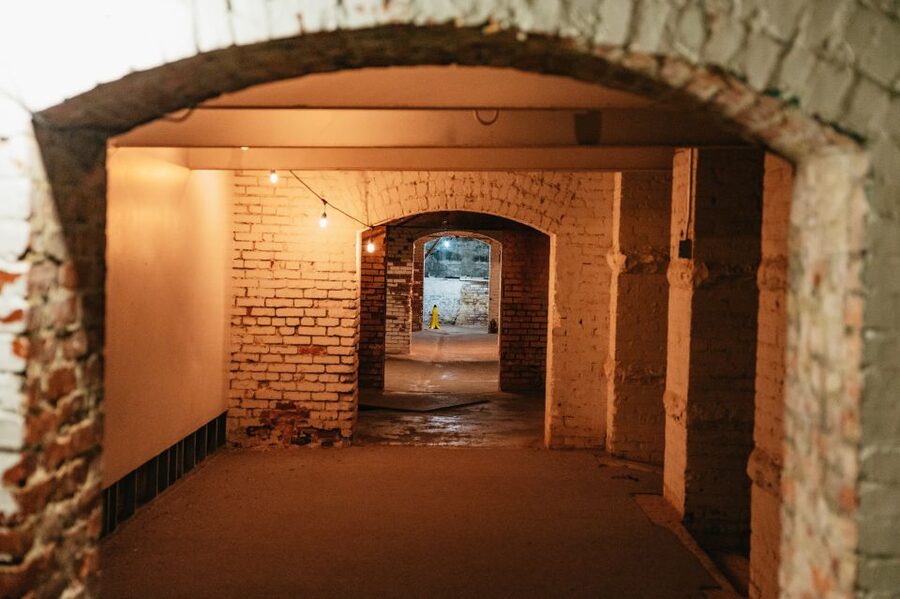
- 1890s underground passageways under Pioneer Square you can actually walk through
- Stories tied to the Great Seattle Fire and what changed after it
- A clear explanation of raising the city streets out of swampy ground
- Architecture and infrastructure details you miss at street level
- Guides who mix history with jokes, including standout performances like David and Mark
- A manageable 1-hour format that still covers major turning points
Finding the stairs at Cherry Street Coffee, then going underground
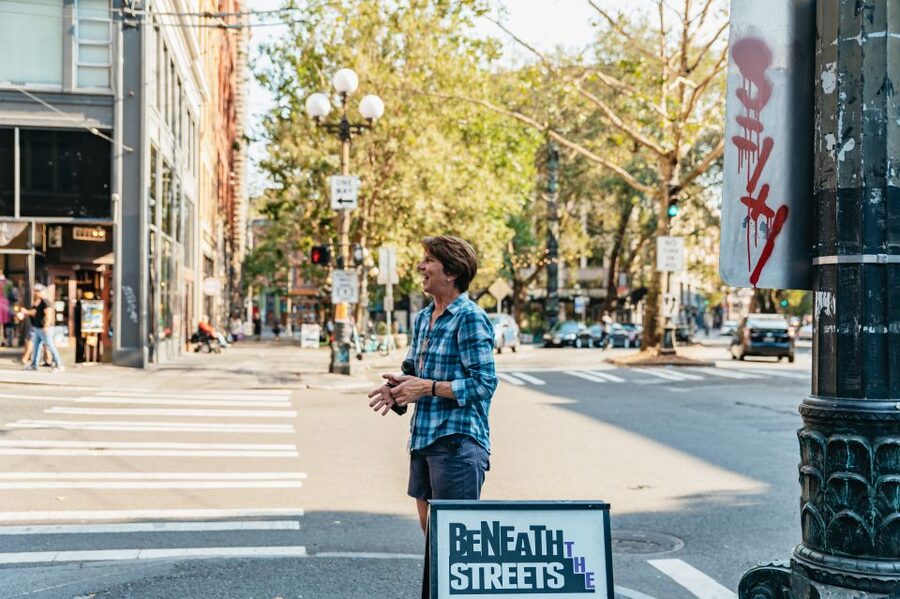
Your tour starts in a very Seattle way: by going below street level right in the middle of downtown. The meeting point is underneath the Cherry Street Coffee shop. Look for the Beneath the Streets black and purple sign, then take the stairs down to the reception desk.
From there, the pacing matters. You are not trying to sprint through a dozen stops. It is a focused hour that walks you across a chunk of Pioneer Square, then sends you through three underground passageways. If you tend to get lost in big tours, this one is built for staying oriented. You get repeated context, and you also get to see how the above streets relate to what is under them.
One more thing: this is not a “walk in, look around, walk out” experience. It is guided. You will be following a route that changes elevation, and you will hear the same big story in multiple layers, fire, rebuilding, and why Seattle ended up where it did.
Pioneer Square below the sidewalks, what you will walk through
The main experience is straightforward to describe, and better to feel in person. You explore over four city blocks of Pioneer Square and then stroll through three underground passageways that date to the 1890s.
What makes those passageways special is the way they connect daily life to city decisions made over a century ago. The underground is not just spooky vibes. It is evidence of how Seattle chose to solve a real problem, wet ground and rebuilding after a disaster. When your guide points out how the streets were raised, the underground starts to make sense as “the old level,” not as a random basement maze.
You will also spend time admiring historic architecture and infrastructure from below. Even if you are not a hardcore history person, this part works because it is visual. You can see how walls, openings, and street-adjacent structures line up with the modern street above.
In the reviews, I keep seeing the same pattern: people say the hour is well paced, and the guide explains how the city evolved while keeping the group entertained. That is exactly what you want for an underground tour, because the subject can turn dry if the delivery is flat.
Other walks beneath Pioneer Square:
- Beneath The Streets Underground History Tour
★ 4.5 · 8,006 reviews - Seattle Half Day Tour with Space Needle, Boat Ride & Underground
★ 3.5 · 9 reviews - Seattle: Small Group Tour W/Space Needle, Boat & Underground
★ 3.0 · 5 reviews
The Great Seattle Fire, and why the underground had a second life
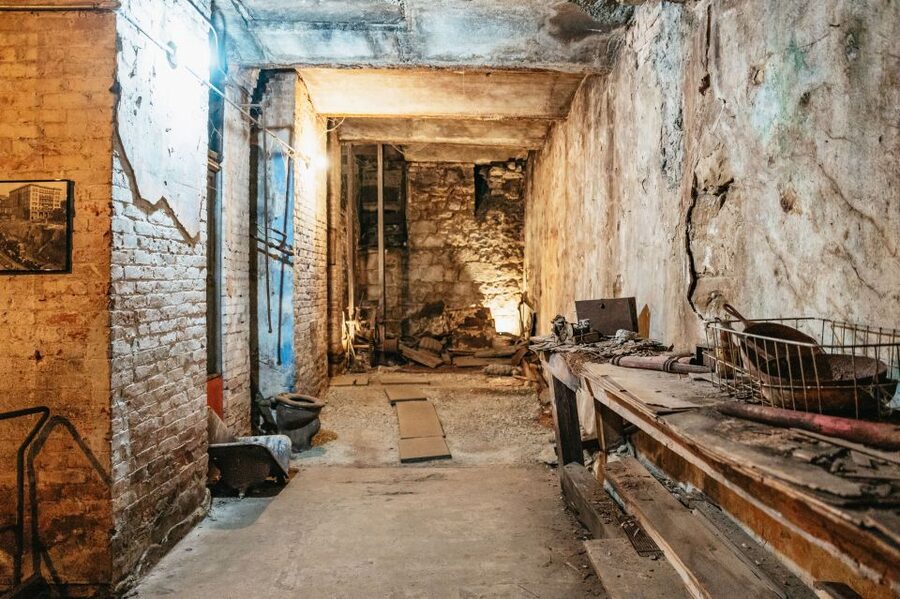
The Seattle Fire is the turning point for this whole story. Your guide ties the passageways to the tragedy that destroyed large parts of the city, then explains how Seattle rebounded and rebuilt at a higher level.
Here is why that matters for you as a visitor. Without that context, underground streets can feel like a curiosity. With it, they become a map of survival choices. The tour frames the underground as part of the city’s “after” phase, when the city had to rebuild fast and think long term.
Your guide also connects the dots about the decision to raise the city streets out of swampy grounds. Seattle was growing on terrain that did not behave. So rather than simply patching and rebuilding at the same level, the city changed the ground plan. That is where the underground story turns from tragedy to practical engineering.
As you walk, listen for the explanation of retaining walls and how they were added alongside the streets. Then you will hear how those areas were filled to create new roads several feet above where they originally stood. Once you understand that, the underground passageways stop being an odd leftover and start making sense as the older street network being left behind.
What six flights of stairs feels like in real life
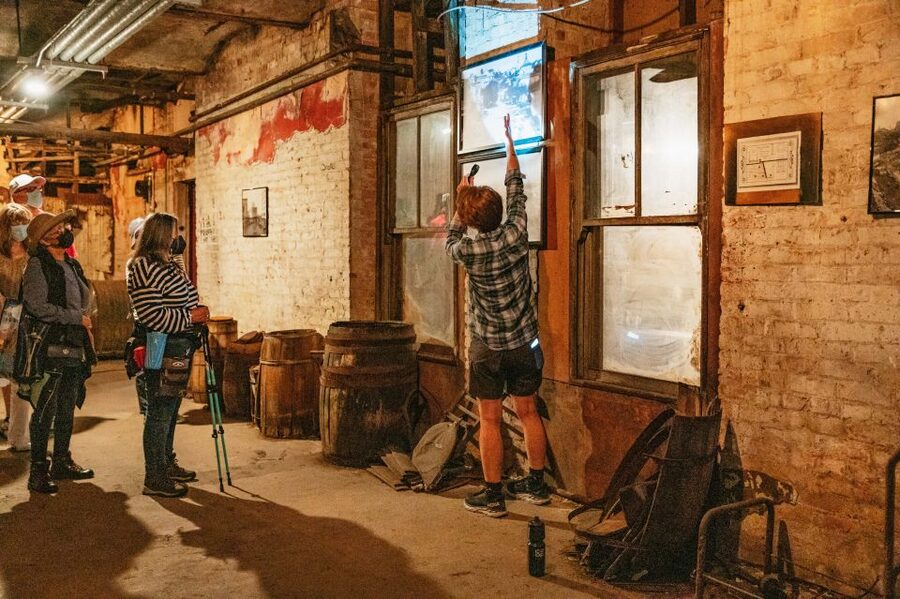
Let’s talk comfort, because this tour is built on vertical movement. There are six flights of stairs along the route and there is no elevator access.
That means you should plan your shoes like it is part hike, part city stroll. Comfortable shoes are required, and I strongly suggest wearing something with solid grip. The route is underground, and you will be shifting from outside light to underground spaces, so footing matters.
Also note the tour is outside and underground. That affects how you dress. If it is rainy, bring layers you can manage while climbing and descending. If it is cold, be ready for temperature shifts when you go below street level.
If you are traveling with kids, strollers are allowed in a limited way. The info says strollers may be carried up and down stairs, or stored in the ticket office for the duration of the tour. That is helpful, but you should still think through whether your group can handle the stair count.
Finally, pets are not allowed. If you are bringing a furry travel companion, you will need a plan.
Underground architecture you can read, even if you are not an expert
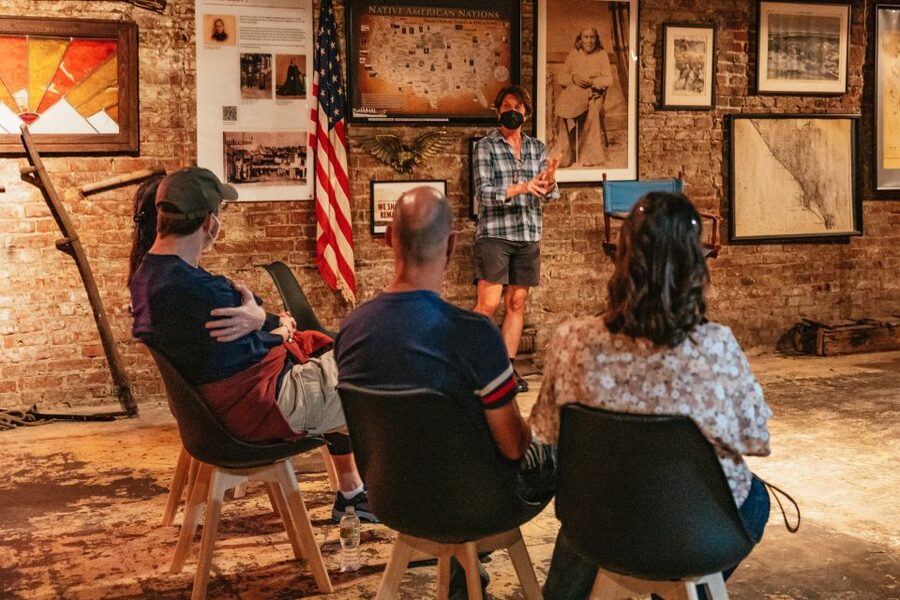
One of the smartest parts of this tour is how it teaches you to look. You are not just hearing that something is old. You are learning how to spot structure and change.
You will admire historic architecture and underground infrastructure, and your guide points out how the above streets relate to what you see below. That relationship is the key. Seattle’s “level” changed, but the built elements did not vanish. They got reinterpreted, covered, and repurposed as the city marched upward.
The underground spaces also give you a different sense of scale. Streets that feel wide at street level can feel compressed down below, while corridors can feel surprisingly purposeful. If you like “how things work” explanations, this is the part that scratches that itch, because it connects engineering choices to visible design.
One small caution based on the general experience of underground tours: this is not set dressing. You are walking real passageways as they are. So if you are expecting staged rooms, you might be happier if you go in with the mindset of historical interpretation in an actual space.
Learning Seattle’s hidden layer through a good guide
This is where the tour consistently earns its high marks. People keep praising the guides for energy, humor, and the way they keep groups engaged without turning into a lecture.
Several names stand out in the strong reviews, including David, Mark, Mike, Jim, Eowyn, Patti, Terrilyn, and Jennifer. You will probably not get the same guide as the person sitting beside you, but the format seems designed to support the best kind of guide, one who can connect facts to street-level reality and keep the pace moving.
If you like when a guide adds personality, you will likely appreciate the tone in many of the reviews, jokes, dad jokes, dry humor, and lively storytelling show up again and again. That matters more than it sounds. Underground history can be hard to hold in your head unless someone gives you handles for the details.
I also like that the guides often seem to tailor the experience to the group. One review highlights that the guide got to know visitors before the tour and referenced where people were from during the hour. That kind of attention helps you feel like you are not just another number in a group line.
A few other things to do around Seattle




Price and value for a one-hour underground walk
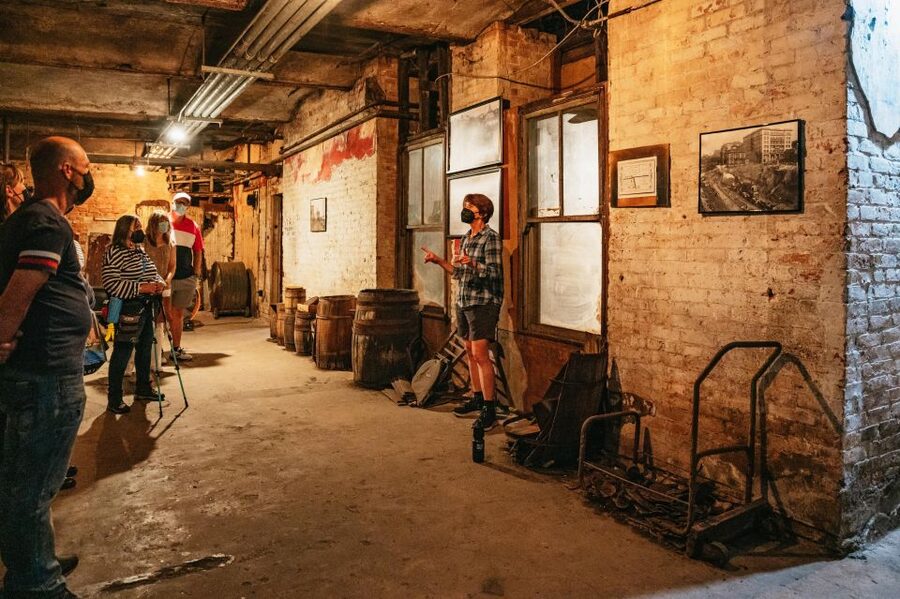
At $31 per person for about one hour, this tour sits in a practical range for a city with lots of paid activities. The value comes from what you get in that time: you walk Pioneer Square blocks, you go through three 1890s passageways, and you get a coherent explanation of the Great Fire, rebuilding, and the raised-street decision.
If you are doing only one guided experience in Seattle, this is a strong candidate because it is both educational and sensory. You are not just looking at buildings, you are learning why they are where they are and why the city ended up layered.
If you are trying to keep your Seattle day light and affordable, it is also a good fit. You can place it early to set context for the rest of the day, or later as a payoff after you have already wandered around Pioneer Square above ground.
Who this tour suits best, and who should skip it
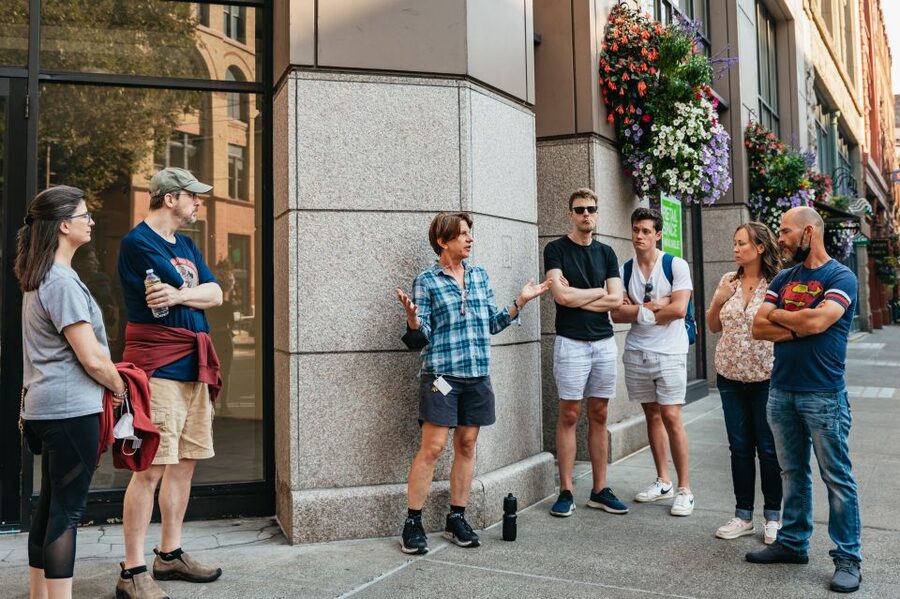
This tour is a good match for you if you enjoy city history tied to real places. It is also a great fit if you like architecture and want to understand the infrastructure logic behind the stories, fire, rebuilding, and raised streets.
It is also a family-friendly choice in the sense that one review says it works well for a whole family, with a guide who can keep the tone entertaining. Still, you should judge for your own crew. The stair count and uneven underground feel make it less ideal for little kids who do not handle steps confidently.
It is not suitable for people with mobility impairments. There is no elevator, and there are six flights of stairs. If you know stairs are a problem for you, skip this one and look for a street-level walking tour instead.
Should you book the Beneath the Streets tour?
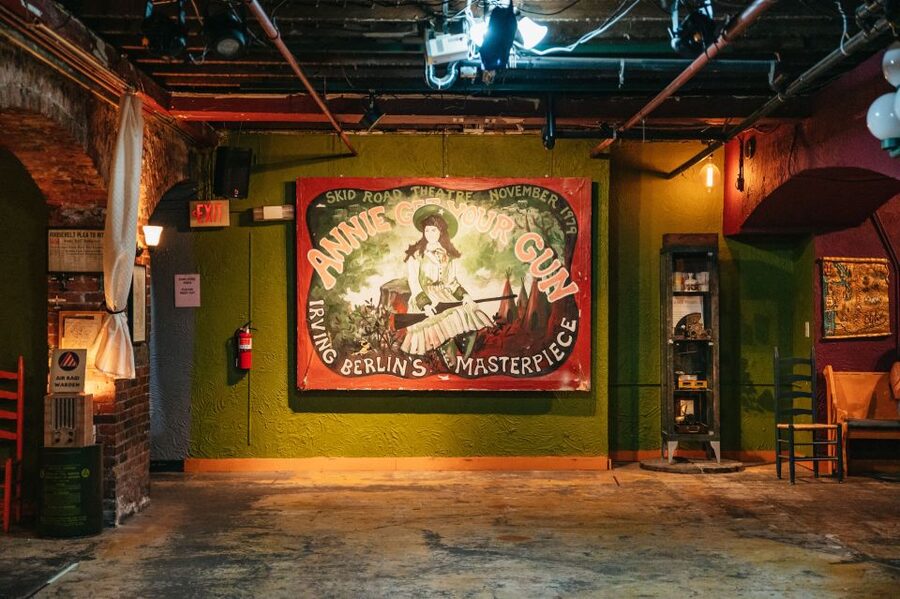
Book it if you want a focused Seattle story you can walk through, not just read about. The combination of three 1890s passageways, the explanation of the Great Seattle Fire, and the practical engineering behind raised streets gives you a full picture in a short time.
Skip it if stairs are a deal breaker, since there is no elevator and six flights are part of the route. Also skip if you dislike spending time outside and underground with changing conditions.
If you are on the fence between this and another downtown activity, my advice is simple. Choose the tour that helps you see how Seattle got built, and then spend the rest of your day looking for those layers above ground.
FAQ
How long is the Seattle guided underground walking tour?
The tour lasts 1 hour.
What is the price per person?
The price is $31 per person.
Where do I meet for the tour?
Meet underneath the Cherry Street Coffee shop. Look for the Beneath the Streets black and purple sign, then take the stairs down to the reception desk.
Is it outside, underground, or both?
It is both outside and underground.
Is there an elevator or accessible route?
No. There are six flights of stairs along the tour route and no elevator access. It is not suitable for people with mobility impairments.
What should I bring?
Wear comfortable shoes.
Can I bring a stroller or pets?
Pets are not allowed. Strollers may be carried up and down stairs or stored in the ticket office for the duration of the tour.
What language is the tour in?
The tour is offered in English.
What is the cancellation policy?
You can cancel up to 24 hours in advance for a full refund.
Written up lately around the Sound
- Seattle Customized Private Tour
- Enchanting Zipline , Camano Island and Deception Pass Tour
- Full Day Seattle’s W2 Tour – Wineries and Waterfalls
- From Seattle – Private Mt Baker and Cascades Tour in SUV★ 5.0 · 1 review
- Museum of Glass and Thea Foss Waterway Walking Tour★ 5.0 · 1 review
- Seattle: Longmire in Mount Rainier Winter Day Tour★ 5.0 · 1 review
- Woodinville’s Downtown Wine Tasting Pass★ 5.0 · 1 review
Underground Tours, compared.
Beneath The Streets Underground History Tour
Read our review →
Seattle Half Day Tour with Space Needle, Boat Ride & Underground
Read our review →
Small Group Tour W/Space Needle, Boat & Underground
Read our review →
Seattle in a Day Space Needle, Harbor Cruise and Underground Tour
Read our review →Browse the lists this tour appears in