
Reviewed · CRUISES & BOAT TOURS
Seattle: Half-Day Wildlife and Whale Watching Cruise
Whales in sight, without the long drive. From Pier 69, this Seattle wildlife cruise sails the Salish Sea with an onboard naturalist, and the goal is simple: see whales in their natural habitat. I love the strong odds with a 97% whale sighting rating, and I love how the naturalist makes the whole trip feel connected to whale conservation. One heads-up: the boat noise can make announcements hard to hear from the top deck.
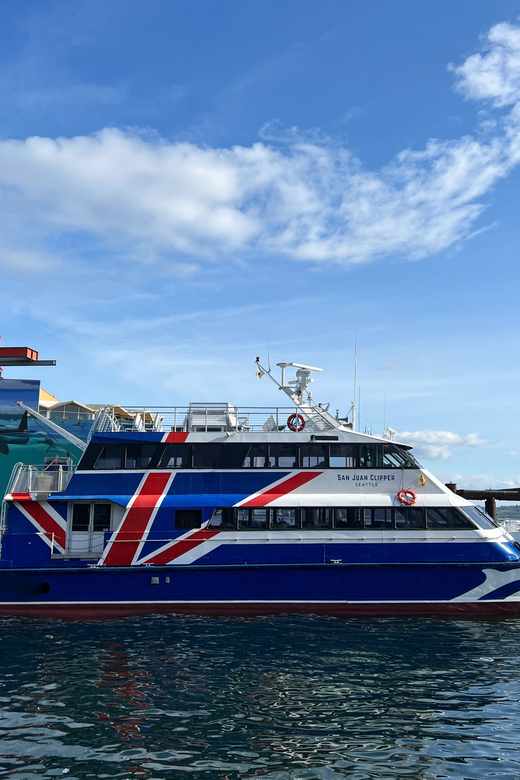
You’ll start on the Seattle waterfront near Pike Place Market and the Space Needle, with a quick walk to the ticket office where you swap your voucher before boarding. Plan on 3 to 5 hours depending on where the whales are, and if the day goes whale-free, they offer a free trip.
In This Review
- Key highlights worth planning for
- Pier 69 logistics: how to start smoothly and not waste daylight
- Salish Sea time: the wildlife you’re most likely to spot
- The 97% sighting rating and what it really means
- Onboard naturalist: why the commentary is part of the value
- When the whales act up, the boat adapts
- Where to sit, and how to hear the guide: window seats, noise, crowds
- Top deck vs lower decks
- Crowds can matter for spotting
- Food, photos, and onboard extras: what to budget for
- Motion sickness support exists
- When whales are hard to find: how to manage a foggy or slow day
- Should you book this Seattle whale watching cruise?
- FAQ
- How long is the Seattle half-day wildlife and whale watching cruise?
- Where do I meet for the tour?
- Does the tour guarantee that I will see whales?
- Are food and drinks included?
- Are binoculars included?
- Can I get a window seat?
Key highlights worth planning for
- 97% whale sighting rating, plus a free trip if whales do not appear
- Pier 69 location puts you near Pike Place Market and the Space Needle
- Onboard naturalist guide explains species and whale conservation efforts
- Window seat upgrades may be possible if space opens at check-in
- Local food and beverages are available to buy onboard
- Binoculars are available to rent, and a few riders say it helps to bring your own if you like close viewing
Pier 69 logistics: how to start smoothly and not waste daylight
This is one of those Seattle tours that makes sense even if you have a tight schedule. You begin right on the Seattle waterfront at Pier 69, which is close enough that you can still do Pike Place Market or Space Needle either before or after your cruise. It feels like you are stepping from the city straight onto the edge of the wild.
Before anything else, you’ll do a quick check-in sequence. You walk down the breezeway to the ticket office and exchange your voucher at the ticket counter before the tour starts. Give yourself extra time because they ask you to arrive 45 minutes before departure. That matters more than it sounds. In foggy or windy conditions, getting settled early helps you find your best viewing spot and get ready for weather changes.
A practical note that shows up in real-life experiences: this is not a “sit down and forget it” tour. You’ll want to pay attention, because the route and timing can shift based on where the whales are. The tour length is listed as 3 to 5 hours, and it is not unusual for active whale days to run longer. Think of it as a flexible search at sea, not a rigid time-box.
Salish Sea time: the wildlife you’re most likely to spot
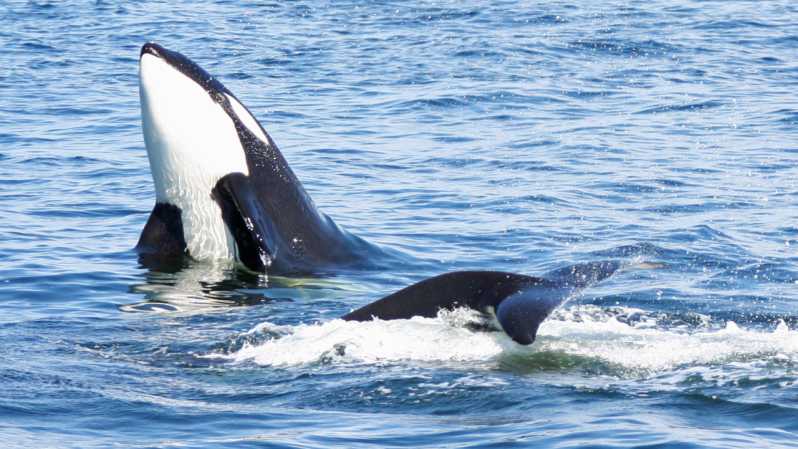
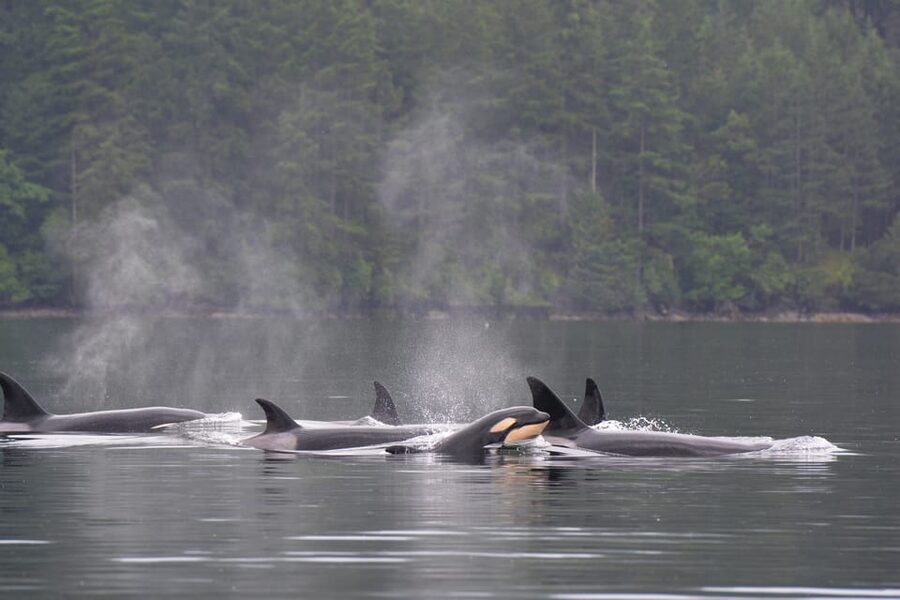
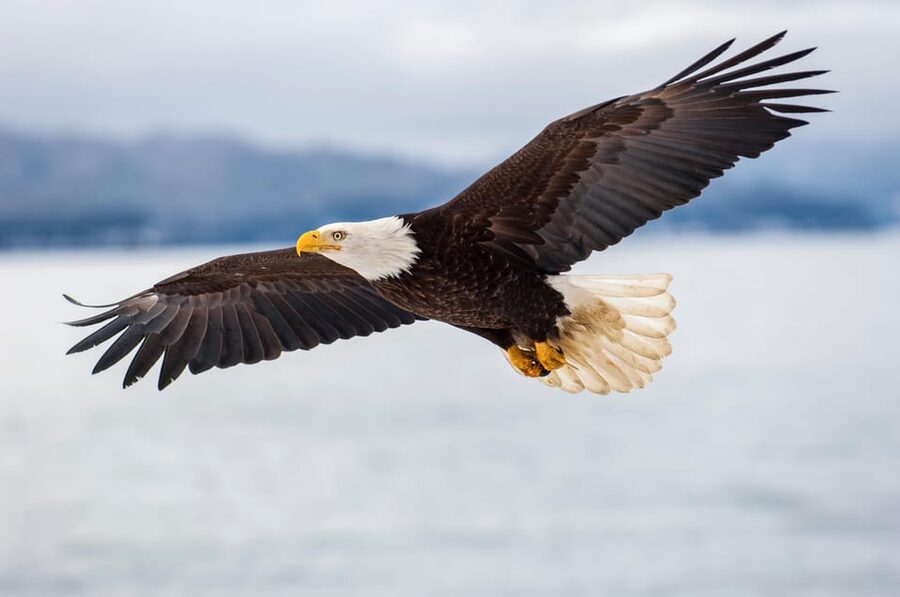
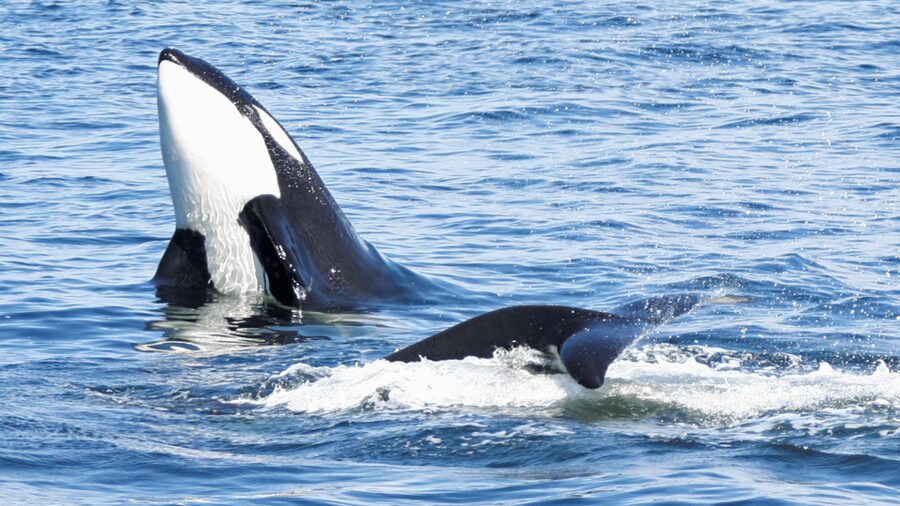
The main event is whales. The cruise runs through the waters of the Salish Sea, where you may encounter orca, gray whales, humpback whales, and minke whales. You may also see porpoises, seals, and sea lions, along with birds like bald eagles and herons.
What I like about this kind of cruise is that it gives you more than a checklist. When the animals show up, the naturalist starts connecting what you’re seeing to how these animals live. You stop watching like it’s a sports game and start watching like it’s a field lesson.
Here are some of the sightings patterns that help set expectations:
- Orcas: You’re likely to see pods moving through the area. Some days include pods that hang around long enough for repeated views, which makes a big difference for photos and just plain wonder.
- Humpback whales: You may catch surface behaviors that feel almost intimate. One rider described a humpback doing logging, floating near the surface and then diving with a tail showing after.
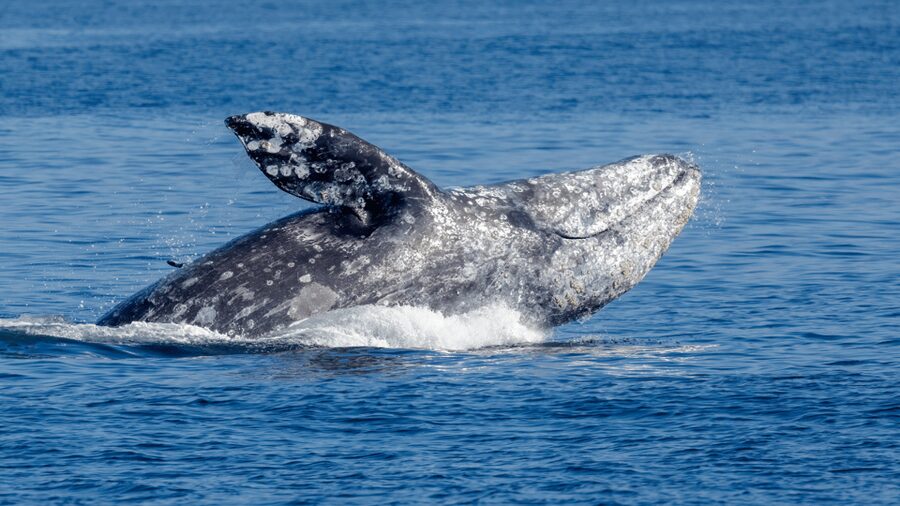
- Gray whales: Gray whales can show up as the day’s best surprise, especially when conditions bring them closer to where the boat is working.
- Other wildlife: Sea lions and seals can appear even if whales are harder to locate that moment.
The key word here is “may.” Whale watching works because the ocean controls the schedule. That’s also why the company’s strong sighting promise matters.
More boats leaving the Seattle waterfront:
- Seattle’s Original Guided Harbor Cruise
★ 4.5 · 2,077 reviews - Seattle: Harbor Cruise with Local Guide
★ 4.8 · 599 reviews - Evening Colors Sunset Sail Tour in Seattle
★ 5.0 · 593 reviews
The 97% sighting rating and what it really means
The tour highlights a 97% whale sighting rating, which is a strong signal you’re booking a serious operation, not a hope-and-pray boat. If whales do not occur, you’re offered a free trip. That policy turns an uncertain ocean day into a lower-risk plan.
Still, I’d plan your emotions the way you plan your footwear. You are going out to see whales if they are there. If your trip is foggy or the animals are not near the surface, you may get fewer or brief sightings rather than long, close encounters. One rider said a foggy morning turned around as visibility improved and a humpback whale surfaced and performed multiple dives. That kind of change is real in Seattle conditions.
Onboard naturalist: why the commentary is part of the value
The cruise includes a live naturalist guide who gives insights into local marine life and ongoing whale conservation efforts. This is not just trivia. It changes what you notice when a fin, spout, or movement appears.
When the naturalist explains what you’re looking for, it helps you separate “I saw something” from “I understand what I’m seeing.” Riders noted that guides were friendly and highly interactive, and they often answered questions on the spot. Some described guides like Allison as particularly clear and enthusiastic, while another rider credited Mark with great communication and quick answers.
You’ll also learn how regulations protect whales and sea life. The tour states that the operator is a member of the Pacific Whale Watch Association and follows state and association viewing regulations to protect and not disturb whales. In real terms, it means the boat approach and viewing distance are governed by rules, not by how eager your camera is. That can be frustrating if you want maximum closeness, but it’s also what makes responsible whale watching possible over and over again.
When the whales act up, the boat adapts
One thing that keeps coming through is that the crew looks for whales actively. A rider described the boat going out longer than expected because it was the operation’s best sighting day of the season. Another described a trip where the boat traveled farther north toward Canada to catch orca sightings, resulting in multiple orca pods but shorter viewing time with how far they had to travel.
So expect a day that can shift. If you want a calm, perfectly clockwork outing, whale watching is the wrong sport. If you want the best chance at real wildlife moments, this flexibility is the whole point.
Where to sit, and how to hear the guide: window seats, noise, crowds
This is where I get picky, because it affects your comfort and your learning.
The tour lists an option to upgrade seats to window seats if space is available when checking in. Some riders felt window seating was worth it, while others said premium window upgrades were not guaranteed to put you in the best exact viewing position. Also, even with windows, it can help to step outside to view whales rather than watching through glass. One rider specifically mentioned that you can go outside to view the whales, which keeps you from squinting and can improve your overall experience.
A few other things to do around Seattle
Top deck vs lower decks
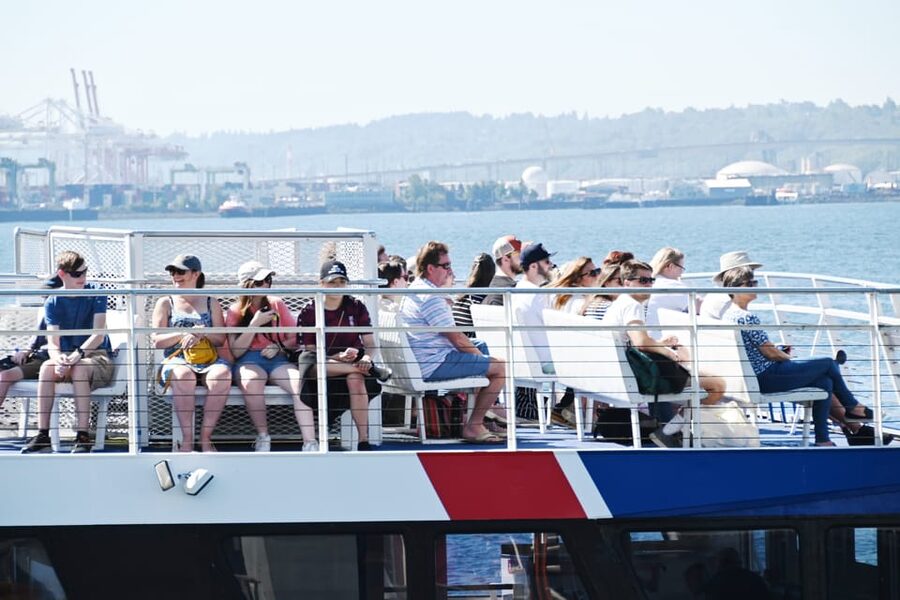
One of the most consistent “needs improvement” notes is sound. Several riders said announcements were hard to hear from the top deck because of the combination of motor noise, air conditioning, and churning water. A rider said they could hear announcements better from level 1 and only picked them up from the top deck when the boat idled near whales.
So if hearing the naturalist matters to you, I’d plan your seat choice with that in mind. It is not a dealbreaker, but it is real.
Crowds can matter for spotting
Because it’s a popular half-day cruise, the boat can be busy. One rider said there were over 200 people onboard, which can make it harder to see wildlife when everyone is shifting at once. Another rider mentioned that while regulations prevent getting extremely close, it is still possible to enjoy the sightings.
How to handle it: get comfortable with the idea that you’re here to watch whales, not to fight for the perfect viewing lane all day. When you see something, you move with the boat, find a steady angle, and let the moment happen.
Food, photos, and onboard extras: what to budget for
This cruise includes a naturalist guide and the cruise time, but food and drink are not included. You can buy local sourced food and beverages onboard.
That means you can travel light and still eat well without hunting for lunch in the city. Riders reported multiple food options and said they found something for their whole group. Specific items mentioned included blueberry scones, and one rider noted food and mimosas available to purchase. If you like having an easy plan for snacks during the ride, this is a plus.
Two add-ons are worth knowing so you do not get surprised at the end:
- Binoculars are available to rent, but they are not included. If you’re serious about viewing, having binoculars ready can be a game-changer, and one rider wished they had brought their own.
- There’s an option to purchase a USB drive with professional photos, mentioned at $30. If you care more about capturing the day than arguing with camera settings in the wind, this can be worth considering.
Motion sickness support exists
If you’re even slightly prone to motion sickness, it helps to know they have motion sickness medicine available onboard. That detail alone can turn a potentially stressful trip into a comfortable one.
And yes, bathrooms are part of the practical reality on a water day. One rider mentioned bathrooms with little to no wait, which makes a long chase less annoying.
When whales are hard to find: how to manage a foggy or slow day
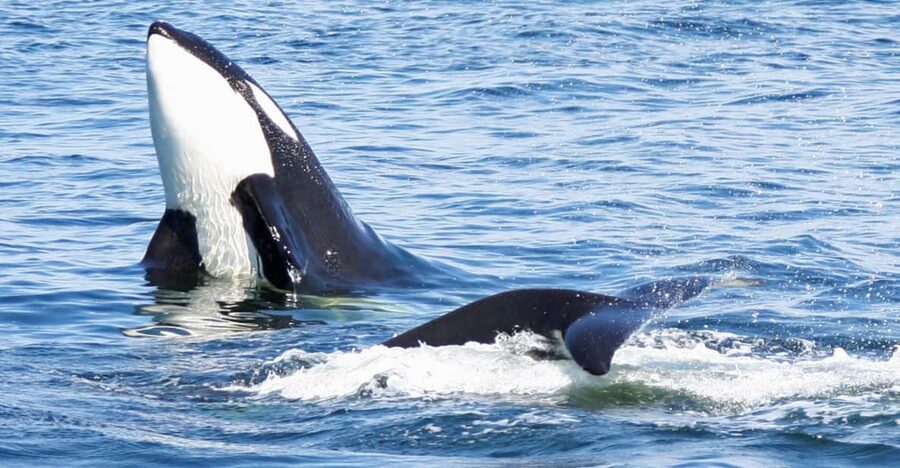
Whale watching includes risk, and responsible operators address it with policy. This tour offers a free trip if whale sightings do not occur, and it also advertises a 97% whale sighting rating. That combination is a thoughtful way to deal with a sea that does what it wants.
Even with strong odds, you should still plan for slower days. A rider described a foggy morning and uncertainty about whale sightings, then said conditions improved and a humpback whale surfaced and performed multiple dives. That’s a common Seattle storyline: weather changes fast, and whales can appear when visibility and surface activity line up.
Also remember that whale behavior affects how much of the animal you see. One rider felt they mostly saw smaller portions of whales during diving patterns. Another was disappointed by partial sightings. This is not the tour failing you. It’s just what wildlife can do on any given day.
Should you book this Seattle whale watching cruise?
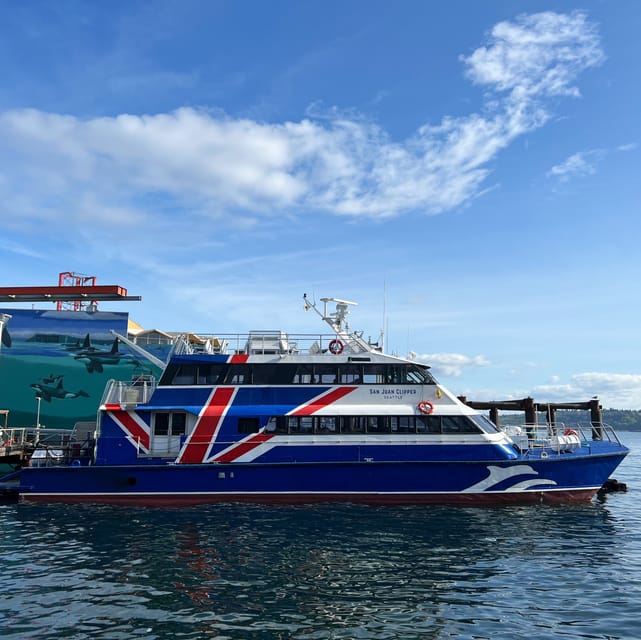
If your priority is a good shot at seeing whales without a long drive, this is a strong pick. The big reasons I’d book are the 97% whale sighting rating, the free trip option if you do not see whales, and the fact that you get an onboard naturalist focused on real marine life and conservation. It is also a convenient start from Pier 69, so it fits naturally with a Seattle sightseeing day.
I would think twice only if you are sensitive to sound on boats or you expect to hear every word clearly from the top deck. Also, if you want extreme closeness to whales, keep in mind that regulations guide how close boats can get.
Bottom line: book it if you want the best chance at orcas and other marine wildlife on a half-day water outing, and if you’re okay letting the ocean set the pace.
FAQ
How long is the Seattle half-day wildlife and whale watching cruise?
The cruise is listed as 4 hours, but it can vary from 3 to 5 hours depending on where the whales are.
Where do I meet for the tour?
You meet at Pier 69 on the Seattle waterfront. Walk down the breezeway to the ticket office and exchange your voucher at the ticket counter before the tour begins.
Does the tour guarantee that I will see whales?
The tour highlights a 97% whale sighting rating, and it states that you’ll be offered a free trip if whale sightings do not occur.
Are food and drinks included?
No. Food and beverages are available to purchase onboard.
Are binoculars included?
No. Binoculars are available to rent.
Can I get a window seat?
Window seats may be available as an upgrade if space is open when you check in at the terminal.
Written up lately around the Sound
- Seattle Customized Private Tour
- Enchanting Zipline , Camano Island and Deception Pass Tour
- Full Day Seattle’s W2 Tour – Wineries and Waterfalls
- From Seattle – Private Mt Baker and Cascades Tour in SUV★ 5.0 · 1 review
- Museum of Glass and Thea Foss Waterway Walking Tour★ 5.0 · 1 review
- Seattle: Longmire in Mount Rainier Winter Day Tour★ 5.0 · 1 review
- Woodinville’s Downtown Wine Tasting Pass★ 5.0 · 1 review
Cruises & Boat Tours, compared.
2 Hour Guided Boat Tour in Gig Harbor and Narrows Bridges
Read our review →
Browse the lists this tour appears in