Reviewed · TOURS
From Seattle: Mt Saint Helen Tour
Volcano history hits harder in person. This Mount St. Helens tour pairs guided geology with views of how the 1980 eruption permanently reshaped the area. I like how the day isn’t just sightseeing, it also explains the why behind what you’re seeing, including ongoing reforestation in the blast zone.
I also appreciate the pace and access you get on a small group tour of up to 14 people. Guides can take time for questions, and two past guides named Bob and Chad were praised for being patient, flexible with the group, and great at keeping the learning fun.
One thing to plan around: lunch and breakfast are not included, and the tour is not suitable for wheelchair users. You’ll want to pack snacks and dress for a long day outdoors.
In This Review
- Key points I think you’ll care about
- Seattle to Mount St. Helens: what the drive and first stops really do
- Coldwater Ridge Visitor Center: getting oriented fast
- Johnston Ridge Observatory: where science meets the view
- Coldwater Lake: reforestation and the quiet changes after catastrophe
- Guides, small groups, and why your experience can feel personal
- Price and value: is $285 fair for this 9-hour day?
- What to pack for a full day around Mount St. Helens
- Who should book, and who should skip this tour
- Should you book this Mount St. Helens tour?
- FAQ
- Where does this tour pick up?
- How long does the tour take?
- How big is the group?
- What is included, and what is not included?
- Is the tour wheelchair accessible?
- What language is the guide?
- Is there free cancellation?
Key points I think you’ll care about
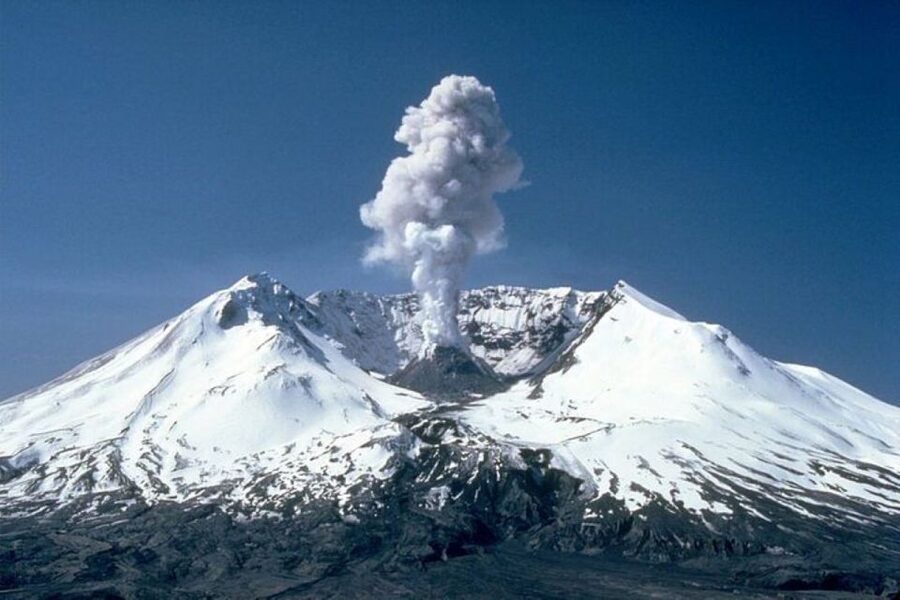
- Johnston Ridge Observatory gives you a focused look at the 1980 blast zone, plus a science angle through USGS monitoring equipment.
- Small group size (max 14) means you can actually talk with the guide, not just stare at a bus window.
- Seasonal observatory timing matters, since Johnston Ridge Observatory is open seasonally.
- Coldwater Ridge Visitor Center and Coldwater Lake add guided context, not random stops.
- English-speaking live guide, plus bottled water included so you are not guessing from the start.
Seattle to Mount St. Helens: what the drive and first stops really do
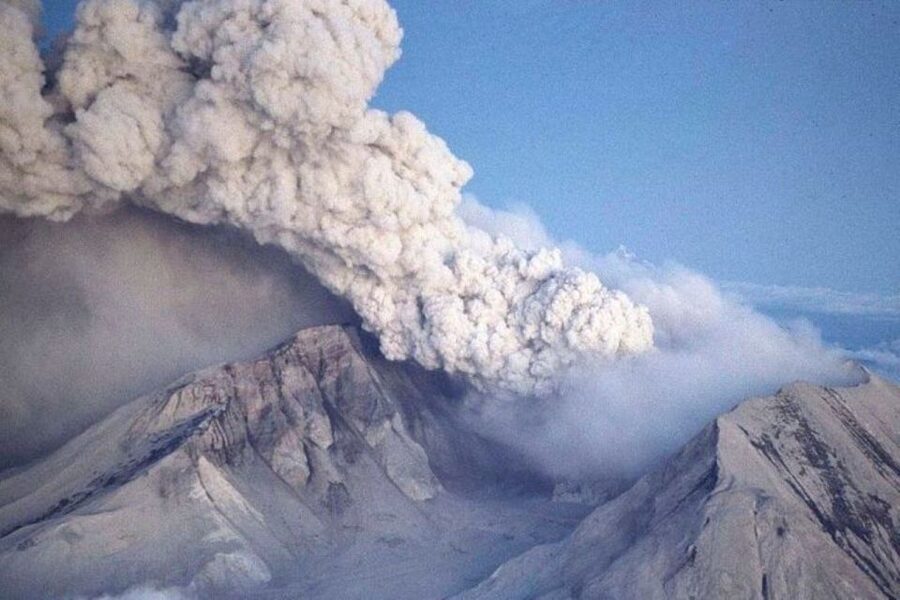
If you’re coming from Seattle, the first payoff is that the day starts easy. Pickup is in Seattle, and you ride with a guide who already knows the area, the viewpoints, and how to pace a 9-hour outing. That matters because Mount St. Helens is not a quick pull-off and go. You’re spending a full day moving through multiple lookouts and visitor areas.
Right after pickup, the tour focuses on the Mount St. Helens area and scenic sightseeing on the way, with about 4 hours set aside for those volcano views. For me, the value of this “start wide, then get specific” approach is simple: you need visual context before the science makes sense. Early on, you get the geography of the region in your head, then later stops land with more meaning.
Also, you’ll be in and out of a vehicle more than you might expect on a city day. Plan to settle in with layers and comfortable shoes. You’ll likely be watching the road less, and the views more, which is exactly what you want out here.
Coldwater Ridge Visitor Center: getting oriented fast
Next comes the Coldwater Ridge Visitor Center for a guided tour and sightseeing time. This stop is short at about 1 hour, so you should treat it as orientation, not a long museum marathon.
Why it’s worth your time: this is where the eruption story shifts from abstract to concrete. You’re able to connect the volcano’s history to what you’re about to see on Johnston Ridge. And because it’s guided, you’re not stuck reading everything at your own speed while everyone else waits.
A good guide also helps you ask better questions. In one booking, the guide Chad was specifically praised for being patient while people read the signs and asked questions. That kind of pace is perfect at a visitor center, where details matter.
If you’re the type who likes to understand the “how” behind a view, this stop is a strong early win. If you’re mostly about taking photos, it still helps you take better photos because you know where to look next.
Shortlisting? Set this against a few other Seattle options:
- Beneath The Streets Underground History Tour
★ 4.5 · 8,006 reviews - Chef Guided Food Tour of Pike Place Market
★ 5.0 · 3,733 reviews - Mt. Rainier National Park Highlights Tour
★ 5.0 · 3,156 reviews
Johnston Ridge Observatory: where science meets the view
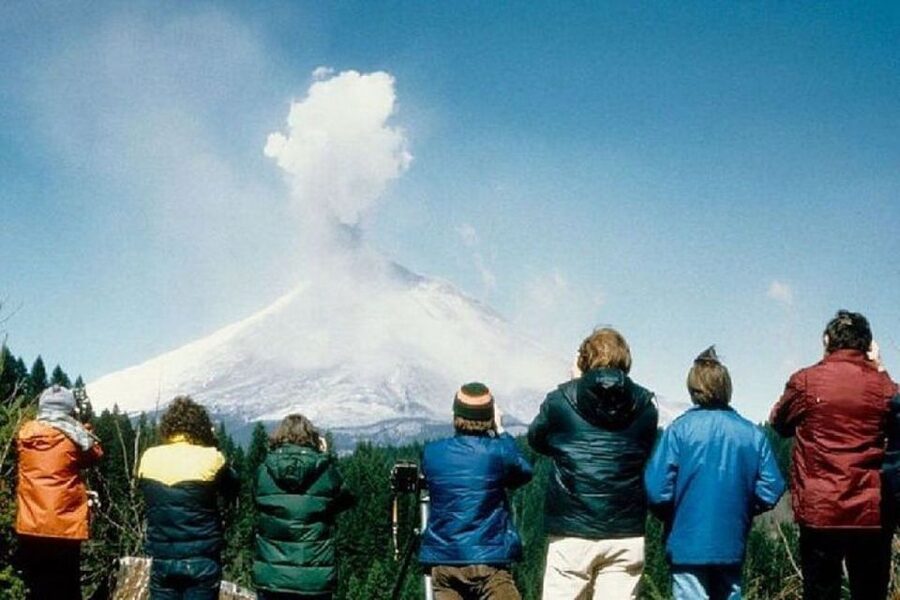
The heart of the day is Johnston Ridge Observatory. You’ll spend about 4 hours here for visiting and sightseeing, and the location is right on Johnston Ridge in the center of the 1980 blast zone, about 8 km (5 mi) north of the Mount St. Helens summit.
Two details matter a lot here. First, the observatory is open seasonally. So if you’re traveling around a shoulder season, double-check timing so you don’t show up expecting the building to be operating.
Second, this isn’t just a viewpoint platform. The observatory building houses seismic, deformation, and other monitoring equipment that relays data for analysis to the USGS Cascades Volcano Observatory. That gives the day a practical angle. You’re not only looking backward at 1980, you’re also seeing how volcanology works in real time.
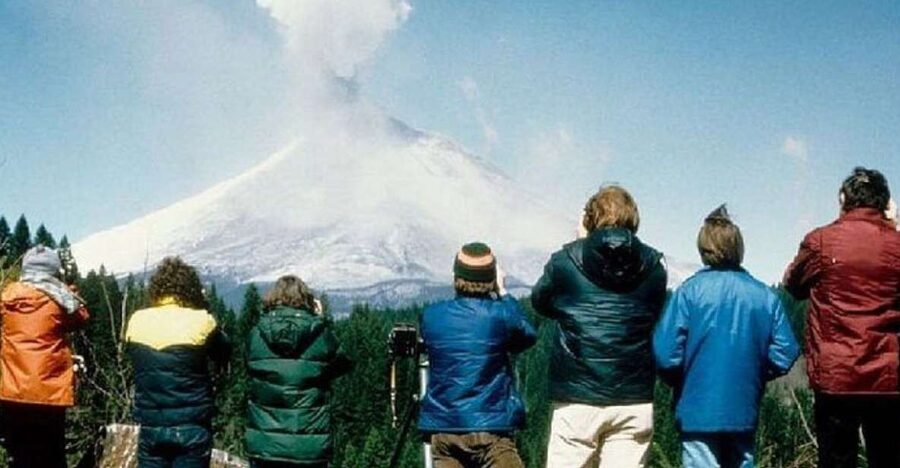
The observatory is named for David Johnston, a USGS volcanologist who was on duty at the USGS Coldwater II observation point during the May 18, 1980 eruption. He was one of 57 people who lost their lives in the eruption. Learning that while you’re standing in the blast zone gives the information weight. It’s also a reminder that this place is both a scientific site and a memorial landscape, even when it looks calm.
In a couple of the past bookings, guides like Chad and Bob were praised for flexibility and patience. I think that kind of guiding style is especially important at Johnston Ridge, because there’s a lot to read and a lot to notice from different angles. When your guide gives you time to absorb signs and ask questions, the observatory turns from “a stop” into “the meaning of the trip.”
Coldwater Lake: reforestation and the quiet changes after catastrophe
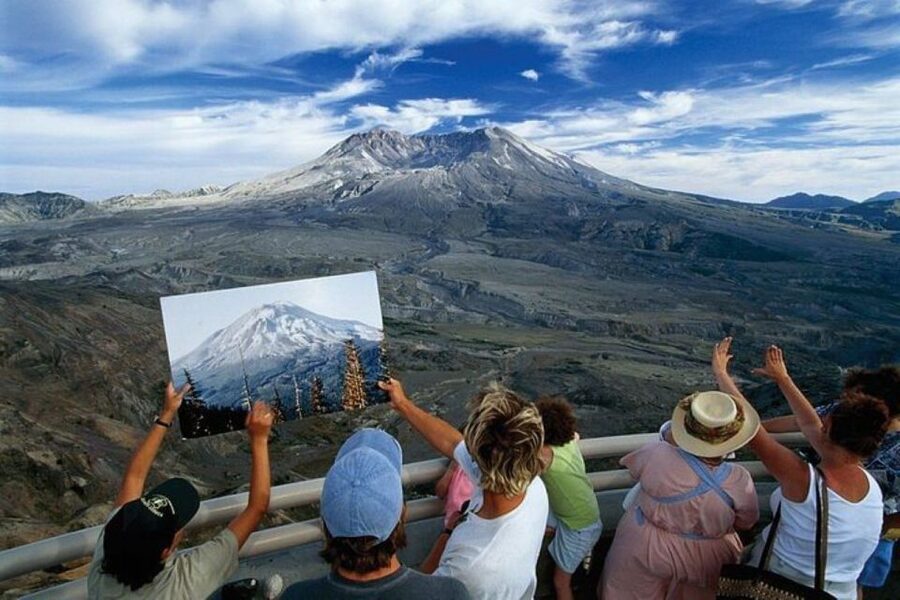
After Johnston Ridge, you’ll head to Coldwater Lake for about 1 hour of guided tour and sightseeing. This is where the day expands from eruption mechanics into what happened after.
The tour description emphasizes the flora and wildlife shaped by the reforestation initiative. Even if you are not a botany person, this stop can be a reality check. The volcano changed the geography instantly in 1980, but life returned in visible ways over time. Seeing that firsthand makes the science feel less clinical and more human.
One practical tip: this is a good place to slow down and look for patterns. Instead of hunting for one perfect photo, give yourself a few minutes to scan along the edges of the area, then revisit the bigger view. Small cues in regrowth can be easier to spot when you’re not rushing.
I also like that the day doesn’t just end with observation. Coldwater Lake is framed as part of the living aftermath of the eruption, so you leave with a more complete story. You get the blast zone, then you get the return of life.
Guides, small groups, and why your experience can feel personal
You’re capped at 14 participants, which is a sweet spot. Big enough that the group has energy, small enough that you’re not stuck being anonymous.
In the strongest reviews, guides were singled out by name. Bob was praised as great, and Chad was called exceptional, with notes about being on time, patient, accommodating, and flexible. Chad also offered options at various stops, then gave people time to read signs and ask questions.
That last part matters. At a volcano site, people have different interests. Some want the big historical picture. Some want the geology. Some just want to stand in exactly the right spot and see what changed. A guide who provides options without rushing you makes the whole day work better for everyone.
If you’re curious about more than the main scenic overlooks, pay attention to how your guide talks about nearby features. One booking specifically mentioned Ape Cave and south-side exploration on a private tour. I can’t assume every group will do the same add-ons, but it signals that guides may tailor extra time around what fits your interests and what the conditions allow.
Price and value: is $285 fair for this 9-hour day?
At $285 per person, this is not a bargain-basement excursion. But it can be good value for the right kind of traveler.
Here’s what you are paying for, based on what’s included: round-trip pick-up and drop-off from Seattle, a live English guide, bottled water, and guided time at multiple key locations. You’re also getting a small group experience, which helps with questions and pacing.
Where the price can feel less like a deal is also predictable: lunch and breakfast are not included. So if you usually want a paid meal built into your day, you’ll need to budget snacks or plan what you’ll eat. But if you’re the type who likes bringing your own lunch so you can keep momentum, the absence of included meals can actually make the day easier to manage.
Also, think about the tradeoff you avoid by booking a guided tour. If you tried to cobble together a similar day on your own, you’d spend extra time figuring out timing and where to go, plus you’d miss the explanations that connect the stops.
For me, the best-case value is when you want interpretation. You want to stand in the blast zone and understand why it looks the way it does, and you want that in a group small enough to ask questions.
Rain in the forecast or not, these run out of Seattle too:


What to pack for a full day around Mount St. Helens
This is a 9-hour experience, which means it’s not just “bring a jacket.” It’s more like, plan for your body and your mind.
Bring:
- A warm layer even if it looks mild at pickup, because conditions can change as you move through the area.
- Comfortable walking shoes. You may be spending time outside while sightseeing.
- A plan for food. Lunch and breakfast are not included, so pack snacks or plan what you’ll buy if you find options that work.
- A camera or phone with extra battery if you like photos. You’ll have several strong viewpoint moments.
Also, take advantage of the bottled water included. Then, if you tend to get thirsty, consider bringing more. I like to avoid the moment where I’m deciding between hydration and spending time waiting at a stop.
Who should book, and who should skip this tour
This tour is a good fit if you want:
- A guided introduction to Mount St. Helens with local and natural history built into the day.
- A structured way to see key sites, without having to do planning math on your own.
- A small group setting, so you can actually talk with the guide.
It may not be your best match if:
- You need wheelchair accessibility. This tour is listed as not suitable for wheelchair users.
- You hate long days with lots of outdoor time and limited breaks built around food. Lunch is not included.
If you want the eruption story, the ongoing science angle, and the living aftermath all in one day, this is a solid way to do it.
Should you book this Mount St. Helens tour?
If you like your volcano trips with context, not just views, I’d book it. The combination of Johnston Ridge Observatory, the Coldwater stops, and expert explanations makes the day feel cohesive, not random.
I’d be especially confident if you care about the story behind the scenery. The observatory piece, with its USGS monitoring equipment and the David Johnston connection, is the kind of detail that turns pictures into understanding.
If you go, plan for lunch on your own, wear real walking shoes, and expect a full day. Then you’ll get the real payoff, the kind where the changed geography and reforestation story land at the same time.
FAQ
Where does this tour pick up?
The tour pickup is in Seattle, and the itinerary ends back in Seattle.
How long does the tour take?
The duration is listed as 9 hours.
How big is the group?
The tour is limited to 14 participants.
What is included, and what is not included?
Included items are pick-up and drop-off, and bottled water. Lunch and breakfast are not included.
Is the tour wheelchair accessible?
No. The tour is listed as not suitable for wheelchair users.
What language is the guide?
The live tour guide is English.
Is there free cancellation?
Yes. You can cancel up to 24 hours in advance for a full refund.
Written up lately around the Sound
- Seattle Customized Private Tour
- Enchanting Zipline , Camano Island and Deception Pass Tour
- Full Day Seattle’s W2 Tour – Wineries and Waterfalls
- From Seattle – Private Mt Baker and Cascades Tour in SUV★ 5.0 · 1 review
- Museum of Glass and Thea Foss Waterway Walking Tour★ 5.0 · 1 review
- Seattle: Longmire in Mount Rainier Winter Day Tour★ 5.0 · 1 review
- Woodinville’s Downtown Wine Tasting Pass★ 5.0 · 1 review
Tours, compared.
Beneath The Streets Underground History Tour
Read our review →