
Reviewed · SEATTLE
Intro to Outdoor Rock climbing
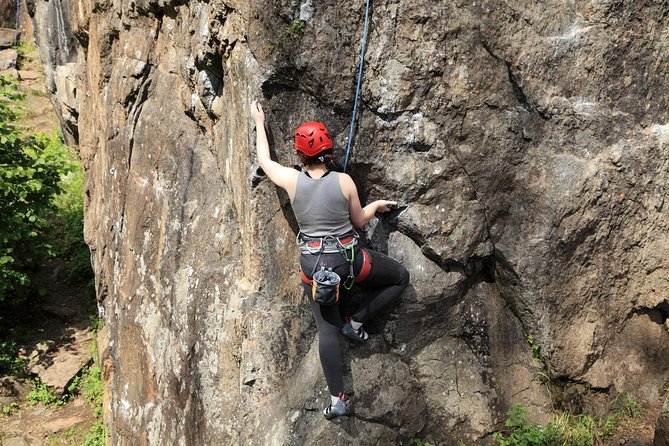
Outdoor climbing gets real fast. This one-day Seattle intro turns classroom basics into a hands-on day at a natural cliff face, with a short hike, safety talk, and real top-rope practice. I love how small groups keep the instruction personal, and I also love the focus on climbing on 5 to 6 outdoor top-rope routes, so you are not just watching.
The one consideration: outdoor rock days are weather-dependent. If conditions shift, you may need to adapt your plan for the day, like changing where you climb.
In This Review
- Key Highlights You Should Care About
- Seattle Outdoor Rock Climbing Intro: What the Day Really Feels Like
- Ballard Meeting Point and a 9:00 am Start That Keeps Things Moving
- Getting to the Cliff Face: Safety First, Then Skill
- Gear Basics That Make You Safer Immediately
- What’s provided vs what you handle
- Knots, Draws, and Commands: The Stuff You Repeat Until It Sticks
- Belaying Skills: Learning to Catch a Fall, Not Just Hold a Rope
- Technique on Real Rock: Cracks, Faces, and Basic Footwork
- The Climbing Portion: 5 to 6 Outdoor Top-Rope Routes
- What to Bring and How to Think About Rentals
- Group Size, Instructor Attention, and Why It Changes Everything
- Weather and Location Changes: Plan for Flexibility
- Who This Course Fits Best
- Quick Practical Checklist Before You Book
- FAQ
- Where is the meeting point and what time does the class start?
- How long is the outdoor rock climbing introduction?
- How many people are in each group?
- What outdoor climbing skills will I learn?
- What climbing gear is included, and what do I need to rent?
- Is transportation or meals included?
- What is the cancellation option if my plans change?
Key Highlights You Should Care About
- Small-group coaching (max 6), so you get time behind the harness, not just advice from the ground
- Top-rope focus outdoors, including at least five routes, so you build confidence route after route
- Belaying training tied to a belay test, with the same core skills you would use in an indoor gym
- Gear and knot fundamentals (harness, helmets, biners, rope systems, draws, and core knots)
- Practice in real safety workflows, including learning to belay and catch a fall
- Gear provided for top-rope setup, including ropes and anchor materials, plus belay devices
Seattle Outdoor Rock Climbing Intro: What the Day Really Feels Like
This is the kind of course that helps you move from curiosity to real ability in a single day. The format is simple and smart: you start with basics, you hike to a natural cliff, then you spend the rest of the day repeating the key skills until they make sense under real rock movement and real gravity.
What makes it work is the balance between teaching and doing. You do not just get a safety lecture and a couple test moves. You practice climbing on top-rope and you practice the partner role too, which is where most beginners feel nervous at first.
And because the group is capped at six people, you are less likely to spend the whole day waiting your turn. In the reviews, guides like Brett, Simon, Glen, and Sandeep get called out for teaching with patience, which matches what you want on day one.
Ballard Meeting Point and a 9:00 am Start That Keeps Things Moving
The day starts at 9:00 am at Miyar Adventures, 1120 NW Ballard Way, Seattle, WA 98107. The practical win here is timing. A morning start gives you enough daylight to cover safety skills, knots, setup, and multiple climbs without rushing the most important parts.
One more helpful note: the tour is listed as having a mobile ticket, and you should receive confirmation within 48 hours of booking, subject to availability. If you like knowing your plan early, that buffer is nice.
Also check your physical readiness. The course asks for a moderate fitness level. That does not mean you need to be athletic in a gym-athlete way, but you should be comfortable hiking for short periods and handling repeated climbs, belay checks, and standing around while others climb.
Shortlisting? Set this against a few other Seattle options:
- Beneath The Streets Underground History Tour
★ 4.5 · 8,006 reviews - Chef Guided Food Tour of Pike Place Market
★ 5.0 · 3,733 reviews - Mt. Rainier National Park Highlights Tour
★ 5.0 · 3,156 reviews
Getting to the Cliff Face: Safety First, Then Skill
The day includes a short hike to a natural cliff face. That moment matters more than it sounds. On outdoor rock, you learn quickly that safety is not only about what happens while you are climbing. It is also about how you move, where you stand, and how you manage the ropes once you are near the rock.
Before anyone climbs, you get a safety and system walkthrough. The course also covers climbing ethics and safety concerns for the crag. For beginners, that is a big deal. People often think outdoors is just a bigger version of the gym. Reality is different. Outdoor anchors, natural rock features, and rope management all deserve your full attention.
Then comes the transition: discuss safety and knots, get climbing gear sorted, and begin learning how to belay. After that, the pace becomes more active. You get time to climb and time to practice the partner job, which is what you need if you want to feel in control by the end of the day.
Gear Basics That Make You Safer Immediately
This course is built around hands-on gear learning. The goal is not to memorize a list. The goal is to understand what each part does in the system and how it connects to partner safety.
You will learn about harness, helmet, biners, belay devices (ATC and auto-locking), chalk bag, rock shoes, rope, and draws. You are also taught how those items come together for outdoor top-roping.
Here is what I think is especially valuable: you are not only learning what to wear. You are learning what to check. When your brain can explain the role of each piece, you are less likely to forget something when you are tired or when the pace speeds up.
What’s provided vs what you handle
Included materials cover the top-rope setup (ropes and anchor materials) plus belay devices and a group medical kit. You also get instruction by professional guides.
What is not included is your personal wear: harness and helmet rentals are available, and rock climbing shoes can be rented. A chalk bag with chalk is optional.
Meals and snacks are not included, and transportation is not included. So plan to arrive ready to move and bring water and a simple snack if you need it.
Knots, Draws, and Commands: The Stuff You Repeat Until It Sticks
Beginners often feel like climbing is all strength and fearless moves. In a solid intro course, you learn it is mostly systems and communication.
This one teaches:
- Climbing knots
- Draws
- Climbing commands (partner communication)
- How to use safety tools correctly during top-roping
The smart part is the emphasis on repetition. Outdoors, small setup mistakes can snowball. By practicing knots and commands early, you build habits that carry over to both climbing and belaying.
Even if you think you will remember everything, you usually do not. By doing the knots and checks with an instructor present, you get the kind of feedback that helps you correct mistakes before they become habits.
Rain in the forecast or not, these run out of Seattle too:




Belaying Skills: Learning to Catch a Fall, Not Just Hold a Rope
If you want one reason to take this course, it is belaying. Top-rope climbing is only half the sport. The other half is being a competent partner.
You learn how to:
- Understand and use belay devices, including ATC and an auto-locking option
- Belay a climber with control
- Catch a fall (as taught in a beginner-safe practice format)
- Build the technique that lets you manage rope movement and keep the system stable
This is the exact skill stack that many beginners feel anxious about. The good news is that the course is structured for learning. You do not have to become a rope wizard in an hour, but you do need to be able to demonstrate safe belaying fundamentals by the end.
The course also ties your outdoor skills to what you would need in an indoor gym. It says you will learn the core fundamentals to pass a belay test in an indoor setting. That matters because it is a practical bridge: you are not just having fun outdoors one time, you are leaving with a pathway to climb more later.
Technique on Real Rock: Cracks, Faces, and Basic Footwork
When you first stand under outdoor rock, it can feel like everything is harder. Holds look different. Friction feels different. Even the angle of the wall can mess with your expectations.
That is why the course includes basic technique coaching, including:
- Basic technique to climb rock faces and cracks
- How to move effectively on top-rope routes outdoors
In a beginner top-rope day, most people climb without needing extreme strength. What you need is a steady sequence: good foot placement, smooth movement, and controlled breathing while you keep your balance. That is what instructors help you practice as you move from one route to the next.
Also, because you are trying multiple routes on the same day, you get a natural “library” of movement patterns. Some routes may feel easier because of the rock features and angle. Other routes teach you how to adjust when the climbing gets less obvious.
The Climbing Portion: 5 to 6 Outdoor Top-Rope Routes
The highlight list calls out a key promise: you will climb at least five different top rope routes outdoors, and the schedule indicates 5 to 6 routes.
This is where outdoor learning becomes real. Each route gives you a new chance to connect the dots:
- You already learned how the system should feel.
- Now you climb while staying mindful of how the belay affects your movement.
- You practice staying calm while your partner role is working well.
You should expect variety. The course says you will climb routes with unique rock types and features. That variety helps you avoid the trap of feeling like you can only climb one style, in one spot, on one day.
In the reviews, people describe being able to reach high points even as first-timers, and they highlight instructors who guide you through fear with patience. That matches what you want from a beginner outdoor intro: confidence that grows as the day goes on.
What to Bring and How to Think About Rentals
Because harnesses, helmets, and shoes can be rented, you can travel light. Still, you should plan ahead so you do not lose time at the start of the day.
Here is the practical mindset:
- If you rent, try to get your shoe fit right, even if it feels snug. You need enough contact to trust your feet on rock.
- If you own gear, use it only if it matches the systems you will learn. When in doubt, follow the guide’s setup.
- Bring your own water and a snack plan since meals and snacks are not included.
Chalk is optional. If you know you like chalk for grip, you might bring a chalk bag, or use the optional setup as offered.
Group Size, Instructor Attention, and Why It Changes Everything
With a maximum group size of six travelers, this course is set up to give feedback where it counts. In climbing, the most important instruction is often tiny. A better knot set. A stance adjustment. A correction in belay technique. A reminder to check one step in the system before anyone leaves the ground.
A small group means:
- you climb more
- you practice belaying more
- you can ask questions without feeling rushed
The reviews consistently praise instructor teaching style. People specifically called out Brett, Simon, Glen, and Sandeep for being friendly and patient, and for helping beginners get over fear while still reinforcing safety. That is the kind of teaching tone you want when you are new.
Weather and Location Changes: Plan for Flexibility
Outdoor rock is weather-driven. The course itself describes a natural cliff and a short hike, but it does not promise a single fixed view every day.
One review described changing the plan due to weather, including driving east to Frenchman Coulee. You should treat that as a realistic possibility. If you book, keep the flexible mindset. The goal stays the same, which is to learn top-rope skills outdoors with solid coaching.
Who This Course Fits Best
This is a beginner-friendly intro to outdoor climbing, aimed at people who want fundamentals and real practice.
It is a great match if:
- you have little or no outdoor climbing experience
- you want to learn gear, knots, and belaying the right way
- you want enough reps to feel ready for indoor belay tests later
- you like structured instruction and safety coaching
It may be less ideal if:
- you want a purely fitness-based outing with no instruction time
- you dislike weather uncertainty, since outdoor climbing depends on conditions
- you do not want to learn partner skills, because belaying is a central focus
Quick Practical Checklist Before You Book
Here is the simple way to decide if this fits you.
You should book if you want:
- top-rope confidence outdoors
- a guided day that includes knots, belaying, and multiple climbs
- small-group attention (max 6)
You might rethink it if you:
- need a fully indoors experience
- are not comfortable with moderate activity like a short hike and repeated climbing
If you are new to climbing and want a day that makes you safer and more capable quickly, this course is built for that.
FAQ
Where is the meeting point and what time does the class start?
The meeting point is Miyar Adventures at 1120 NW Ballard Way, Seattle, WA 98107. The start time is 9:00 am.
How long is the outdoor rock climbing introduction?
The tour duration is listed as 1 day (approximately).
How many people are in each group?
The experience has a maximum of 6 travelers per booking, and it requires a minimum of 2 people per booking.
What outdoor climbing skills will I learn?
You will learn climbing gear fundamentals, knots, climbing commands, how to belay and catch a fall, and basic technique for rock faces and cracks. You will also practice top-rope climbing on at least 5 to 6 routes outdoors.
What climbing gear is included, and what do I need to rent?
The tour includes materials for top-rope setup (ropes and anchor materials), a group medical kit, and belay devices. Harness, helmet, and rock climbing shoes are not included, but rentals are available.
Is transportation or meals included?
Transportation and meals or snacks are not included.
What is the cancellation option if my plans change?
You can cancel for a full refund if you cancel at least 24 hours before the experience start time. Free cancellation is available, and changes made less than 24 hours before the start time are not accepted.
Written up lately around the Sound
- Seattle Customized Private Tour
- Enchanting Zipline , Camano Island and Deception Pass Tour
- Full Day Seattle’s W2 Tour – Wineries and Waterfalls
- From Seattle – Private Mt Baker and Cascades Tour in SUV★ 5.0 · 1 review
- Museum of Glass and Thea Foss Waterway Walking Tour★ 5.0 · 1 review
- Seattle: Longmire in Mount Rainier Winter Day Tour★ 5.0 · 1 review
- Woodinville’s Downtown Wine Tasting Pass★ 5.0 · 1 review