Reviewed · TOURS
Mount Baker Climb Tour from Washington
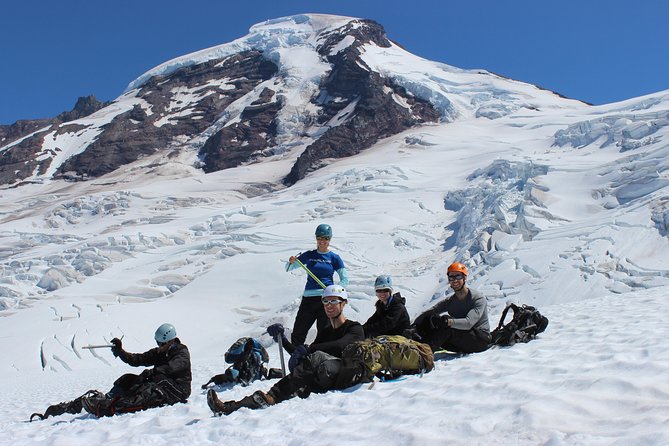
Mount Baker has a way of turning ambition into focus fast. This 3-day guided climb from Seattle is built for people who want real glacier travel skills and a shot at the summit with a professional rope team. You’ll tackle route-finding on the Easton Glacier or Coleman-Deming route through crevasses, icefalls, and seracs, then practice the exact movement and safety habits that make cold ice feel like a system, not a mystery.
Two things I really like: first, you get all the big stuff handled (permits, tents, stoves/cook kits, and group climbing equipment). Second, the coaching is skill-first, with hands-on work like ice axe self-arrest, crampons, rope management, and navigation before the summit push. If your goal is more than a photo, this structure helps you come home better.
One drawback to consider: like all glacier routes, conditions can force plan changes. The itinerary allows for a weather-based summit shift or even a turnaround, and that can mean disappointment on the top day, even when the trip is still productive and safe.
In This Review
- Key highlights to know before you go
- Easton Glacier and Coleman-Deming: what you are really climbing
- A practical 3-day flow: skills day, summit push, and hike-out plan
- Gear check, tents, stoves, and the packing balance that matters
- Glacier basics that turn scary ice into a system
- Permits, equipment, and guide coverage: why the price feels fair
- Seattle meet-up, carpools, and a 15-person cap
- When weather changes the summit call, and why that can still be a win
- So, should you book Mount Baker with Miyar Adventures?
- FAQ
- How long is the Mount Baker climb tour?
- Where do we meet in Seattle, and what time does pickup happen?
- Which route will we climb on Mount Baker?
- What glacier and mountaineering skills are taught?
- Is the summit day guaranteed?
- What is included in the tour price?
- What is not included?
- What is the cancellation policy?
Key highlights to know before you go
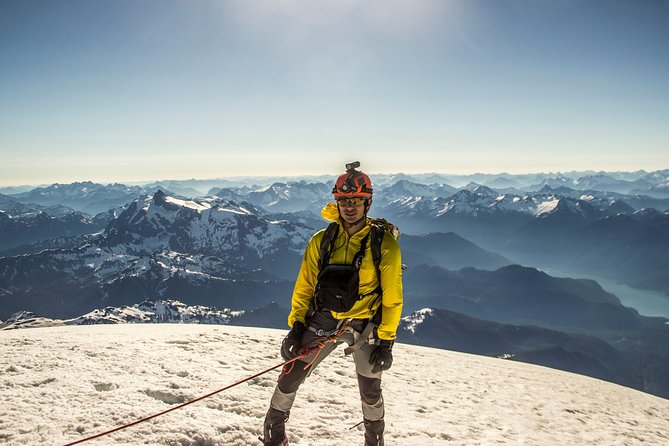
- Easton Glacier or Coleman-Deming route with hands-on route-finding through serious glacier features
- Small group size (max 15), which makes practicing rope and movement skills much more realistic
- All permits and key equipment included, so you can spend your energy learning, not shopping
- Skill building before summiting, including self-arrest, crampon walking, and hazard assessment
- Cold-weather camping practice with Leave No Trace habits baked into the training
- Weather flexibility so a “no summit” day can still be a legitimate climbing lesson
Easton Glacier and Coleman-Deming: what you are really climbing
Mount Baker sits in the Mount Baker-Snoqualmie National Forest, and the routes here are all about reading the glacier. This trip takes either the Easton Glacier or the Coleman-Deming route, which means you’ll experience glacier terrain that changes as you go, with route-finding that can be mentally demanding and physically demanding at the same time.
On the Easton or Coleman-Deming approach, you should expect to move around glacier obstacles like icefalls, seracs, and large crevasses. That sounds dramatic, and it is, but the point of the trip is practical: you’re learning how teams navigate hazardous terrain without treating it like a hike. You’ll work on the fundamentals of glacier travel, including how to attach to a rope as part of a team, so everyone is moving with shared expectations.
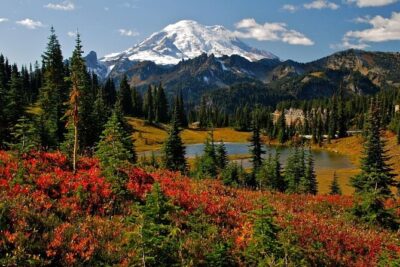
There’s also a payoff beyond the summit goal. You’ll be learning in a classroom of sorts, with mountain streams, blue glaciers, and views reaching toward the Puget Sound. That matters because glacier travel is cold, slow, and repetitive. Seeing something bigger than your next step helps the whole experience feel worth the effort.
A practical 3-day flow: skills day, summit push, and hike-out plan
The exact daily schedule can flex, because weather and safety control the summit decision. But the structure is consistent: you train glacier skills first, then you attempt the summit when conditions and timing allow.
On Day 1, your focus is training and movement, not just marching. The trip includes instruction on ice axe positions and self-arrest, and you’ll practice crampon basics, including walking techniques with and without crampons. You’ll also cover climbing knots and how to manage your role in a rope team. Think of it as building a toolkit before you use it on steeper, higher consequences terrain.
As you move toward summit planning, navigation and hazard assessment become part of the routine. Route-finding is explicitly part of what guides teach, so you should expect coaching on how to interpret the glacier and make decisions based on risk, not just instinct.
For the summit day, you’ll follow the chosen route up with the guide team managing the rope system and safety calls. Then the last day is designed to protect the overall value of your effort. The trip notes that if weather forces a change, the summit day may move to the second itinerary day, and you could sleep in on the third day for a more relaxed hike out. That small detail is smart. It helps you land the trip with something you can carry forward, even if conditions shut down the top.
Shortlisting? Set this against a few other Seattle options:
- Beneath The Streets Underground History Tour
★ 4.5 · 8,006 reviews - Chef Guided Food Tour of Pike Place Market
★ 5.0 · 3,733 reviews - Mt. Rainier National Park Highlights Tour
★ 5.0 · 3,156 reviews
Gear check, tents, stoves, and the packing balance that matters
This is one of those climbs where packing wrong can turn learning into misery. The good news is the trip is built around preparation. You’ll get pre-trip planning with an information session on packing and gear, plus a gear check at least three days prior to the climb to make sure you have what you need.
I like that this is not just a checklist. The trip’s coaching includes helping each participant find the balance between packing too much and leaving something critical behind. That balance is real on a 3-day mountaineering effort. Too much weight makes crampon walking and rope movement harder. Too little means you might be the person borrowing gloves or scrambling for layers at the worst moment.
Included gear reduces the biggest unknowns. You get tents and stoves/cook kits, plus group climbing equipment. That means your personal packing can focus on the essentials you wear and the items you personally control, rather than trying to guess what the guide team is bringing.
One thing to watch: meals and hot drinks are not included. So plan for food logistics on your own, and treat hot drink needs as a serious comfort factor in cold glacier time.
Glacier basics that turn scary ice into a system
If you want a tour that feels like training, this is the right shape. The skill list is clear, and it’s the exact stuff you need before an intermediate climb later on. The trip covers:
- Ice axe self-arrest techniques, including the ice axe positions you’ll use when you need to stop
- Crampon use plus walking techniques with and without crampons
- Rope management and how to attach as part of a rope team
- Climbing knots for real glacier rope systems
- Navigation and route-finding on icy terrain
- Hazard assessment, so you can recognize risk and understand why decisions get made
- Cold weather camping skills in a tent-based setup
- Leave No Trace habits that fit alpine travel
I also appreciate the safety framing. In practice, glacier travel is about managing consequences, not chasing speed. When you learn how to assess hazards and how to respond using rope systems and self-arrest techniques, the whole mountain stops feeling like one long gamble.
And yes, you might still get weather changes. But the training structure helps. On trips like this, guides will often turn a summit plan into a skills window when visibility or conditions get unsafe. The trip explicitly notes the itinerary can shift due to bad weather or unsafe route conditions, so your expectations should be about learning and safety, not just the top line.
Permits, equipment, and guide coverage: why the price feels fair
Even without seeing a price tag here, you can judge value by what’s absorbed into the trip. This climb includes all permits and key logistics that would cost time and money to duplicate yourself.
You also get:
- guide services (the rope team leadership and teaching is central here)
- tents and stoves/cook kits for the multi-day format
- group climbing equipment
That matters because the hardest part of starting mountaineering is not simply finding a guide. It’s assembling gear that matches the environment and the plan. This trip reduces the risk of showing up with the wrong pieces or missing something important.
You also get a pre-trip planning and packing/gear session. That is a value multiplier. It’s easier to learn technical skills when your body is not also busy compensating for gear problems.
Two practical notes on what is not included. Transportation is not included, though carpools can be arranged or transportation can be provided for extra fees. And meals/hot drinks/snacks are on you, with gratuities for guides also not included. In exchange, you are buying the climb, not the daily snack run.
Seattle meet-up, carpools, and a 15-person cap
The tour starts in Seattle. You’ll meet at a convenient Park and Ride in the Seattle area, with pickup details listing 8:00 AM. The start time is listed as 7:30 AM, so treat that as an early morning commitment either way. If you’re not local, plan to be awake and ready before dawn.
Group size is capped at 15 participants, which is ideal for learning. Rope skills and glacier movement instruction don’t scale well with huge groups. With a smaller number, you can practice more and get more specific feedback.
Transportation is your responsibility, but the trip helps by offering carpool coordination, or paid transport for an extra fee. This matters because getting to Mount Baker is not a simple “jump on a train” situation. You’ll want to plan your pickup around the early start so you don’t waste your first day of training waiting in the wrong place.
Language is listed as English, and you should expect the training to be delivered clearly with hands-on practice and safety coaching.
Rain in the forecast or not, these run out of Seattle too:

When weather changes the summit call, and why that can still be a win
On snow and ice, the summit call is never purely about effort. It is about conditions, visibility, and safety. This tour explicitly allows for summit-day changes based on weather or unsafe route conditions. In some scenarios, the summit attempt shifts to the second day, and the third day gets more relaxed with a sleep-in and a calmer hike out.
One of the most convincing parts of this trip is how the guide team can respond when the mountain throws a curve. In past climbs, guides have prioritized safety first, even when summit dreams were close. When visibility was poor, the team made the safe turnaround decision and used the day to keep training moving so the trip still delivered real skill growth.
So what should you carry into your planning mindset? Bring flexibility. If your personal win condition is only “standing on top,” this might frustrate you. If your win condition is getting glacier-ready, learning self-arrest and rope management, and practicing how teams make hazard decisions, you’ll likely feel satisfied even when the summit is out of reach.
And the base camp time can still be beautiful. The trip notes that on snow base camp, weather windows can bring visibility and calm. That is not just comfort. It helps you absorb what you practiced and prepare for the next attempt.
So, should you book Mount Baker with Miyar Adventures?
If you want a Mount Baker climb that teaches you how to travel on a glacier safely, this is a strong match. I’d especially recommend it if you are seeking a structured first step into mountaineering, not just a guided walk toward a peak. The training is specific and repeatable, with skills like crampon walking, ice axe self-arrest, rope management, navigation, and hazard assessment.
I’d also like the small group size for learning pace. With max 15, you get a better chance to practice the technical parts and not just watch from the sidelines.
Choose this with eyes open about summit uncertainty. Weather can change everything, and you should be ready for an adjusted plan. But the trip is designed so safety decisions do not erase your progress. You come away with more than a memory. You leave with tools you can use on intermediate climbs later, like the trip notes for climbing Mt. Shukson or other Cascades routes.
FAQ
How long is the Mount Baker climb tour?
The trip runs for 3 days (approx.).
Where do we meet in Seattle, and what time does pickup happen?
You meet at a convenient Park and Ride in the Seattle area. Pickup details list 8:00 AM, and the start time is listed as 7:30 AM.
Which route will we climb on Mount Baker?
You’ll climb via either the Easton Glacier route or the Coleman-Deming route, depending on conditions and route choice.
What glacier and mountaineering skills are taught?
You’ll learn ice axe positions and self-arrest, crampon use, walking techniques with and without crampons, climbing knots, glacier travel skills and rope management, navigation and route finding, hazard assessment, cold weather camping skills, and Leave No Trace.
Is the summit day guaranteed?
No summit outcome is guaranteed. The itinerary notes that weather conditions may change the summit day, and conditions can also affect safety and route choices.
What is included in the tour price?
The price includes all permits, stoves/cook kits, tents, group climbing equipment, guide services, and pre-trip planning/information on packing & gear.
What is not included?
Transportation is not included (the provider can help arrange carpools or provide transportation for extra fees). Meals, hot drinks, and snacks are not included, and gratuities for guides are not included.
What is the cancellation policy?
This experience is non-refundable and cannot be changed for any reason. If a minimum number of travelers is not met, you’ll be offered a different date or a full refund.
Written up lately around the Sound
- Seattle Customized Private Tour
- Enchanting Zipline , Camano Island and Deception Pass Tour
- Full Day Seattle’s W2 Tour – Wineries and Waterfalls
- From Seattle – Private Mt Baker and Cascades Tour in SUV★ 5.0 · 1 review
- Museum of Glass and Thea Foss Waterway Walking Tour★ 5.0 · 1 review
- Seattle: Longmire in Mount Rainier Winter Day Tour★ 5.0 · 1 review
- Woodinville’s Downtown Wine Tasting Pass★ 5.0 · 1 review
Tours, compared.
Beneath The Streets Underground History Tour
Read our review →