
Reviewed · MOUNT RAINIER TOURS
Mount Rainier: Day Hike on the Mountain
Rainier feels close on this hike. This is a small-group adventure built around the Three Burroughs Trail, where I like the big sky views of Glacier Peak and Mount Baker and the chance to watch mountain goats grazing near Frozen Lake. One heads-up: this isn’t a casual walk, because the trail is uneven, can hold snow, and altitude can hit you harder than you expect.
I also like that the hike stays active, not just scenic-driving around for photos. You’ll be moving for roughly 4-plus hours, with people able to turn back at 4, 6, or 9 miles depending on how you’re feeling. On the guide side, I’ve seen names like Josh and Sophia mentioned for being friendly and for adding extra meaning to what you see, including photo sharing after the hike.
If you want an easy, flat stroll, you might feel frustrated here. The route starts from Sunrise Visitor Center, climbs to a ridge fast, and continues upward across snowfields, so you should show up ready to hike.
In This Review
- Key highlights to know before you go
- Sunrise pickup to the ridge above: how the day starts
- Three Burroughs Trail: volcano views, Frozen Lake, and goats
- Snowfields to Second Burroughs: where Rainier finally takes the spotlight
- The lunch stop: picnic views and why climbers are part of the mood
- Guide-led comfort: small group size and photo sharing
- Timing and pace: how long you’ll really be hiking
- What it costs, and whether it’s good value
- Who should book, and who should skip it
- What to bring so you’re comfortable on uneven, cold terrain
- Final call: should you book this Mount Rainier Three Burroughs hike?
- FAQ
- Where does the tour start, and when do pickups happen?
- How long is the hike, and can I turn back early?
- Is the trail technical or does it require climbing skills?
- What equipment and food are included?
- What wildlife might I see on the route?
- What should I bring, and what’s not allowed?
- Is this suitable for kids or people with mobility or heart concerns?
Key highlights to know before you go
- Three Burroughs Trail views that include Glacier Peak and Mount Baker on clear days
- Goat spotting in the meadows above and below Frozen Lake
- A real lunch break on the route, paired with views of climbers on the peak
- Snowfields without technical climbing, just steady footing and good layers
- Small group of 5 for a more personal pace and fewer crowds
Sunrise pickup to the ridge above: how the day starts
This day tour runs as a one-day outing out of Seattle, and it starts early. Pickup is generally between 6 AM and 8 AM, with transportation included from your accommodation in the Seattle area and also from around Mount Rainier’s north side, Sunrise side. The drive is about two hours, which matters because it sets the tone: you’re hiking in the morning, when conditions are often best for both visibility and footing.
When you arrive near the start at Sunrise Visitor Center, the trail begins with a quick climb. That first push can feel like the hike has no patience, but it’s also what gets you to the ridge viewpoints sooner. If you’re the kind of person who needs a long warmup, bring a slow, steady rhythm. Save your sprint for later, when the views open up.
What makes this start smart is the timing. The tour is designed so that when Mount Rainier and the surrounding volcanoes come into view, you’re already positioned to actually enjoy them, not just glance from the car. You’ll also have a guide with you from the start, and that helps with pacing and safety on uneven ground.
Three Burroughs Trail: volcano views, Frozen Lake, and goats
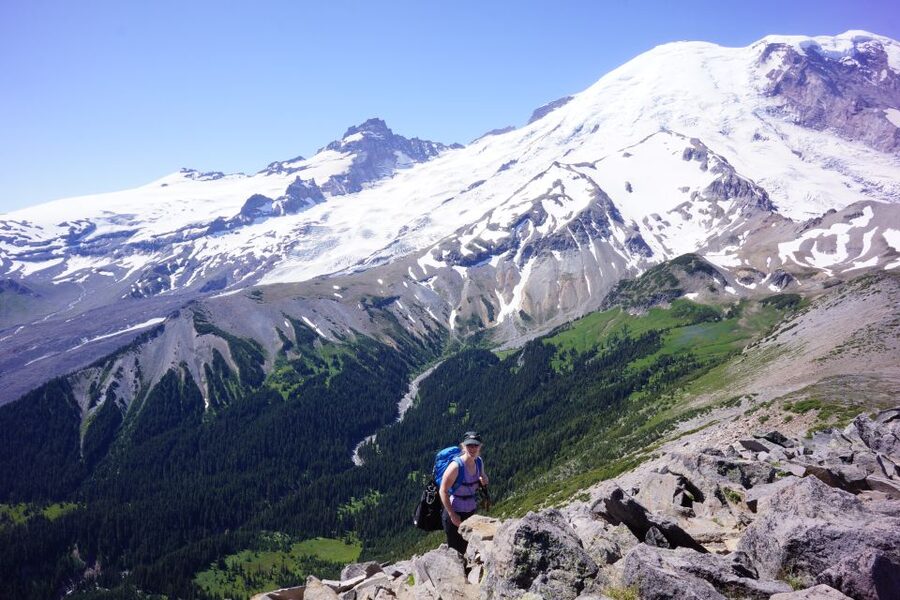
The heart of the tour is the Three Burroughs Trail, which is built for big perspective. After the initial climb to the ridge, you can look out toward two more of Washington’s volcanoes, Glacier Peak and Mount Baker, as long as the day is clear. Even if your view day is only partially clear, the ridge is still a great place to get oriented. You’ll quickly understand why this trail is popular: it’s not just about reaching a summit, it’s about getting those dramatic sightlines.
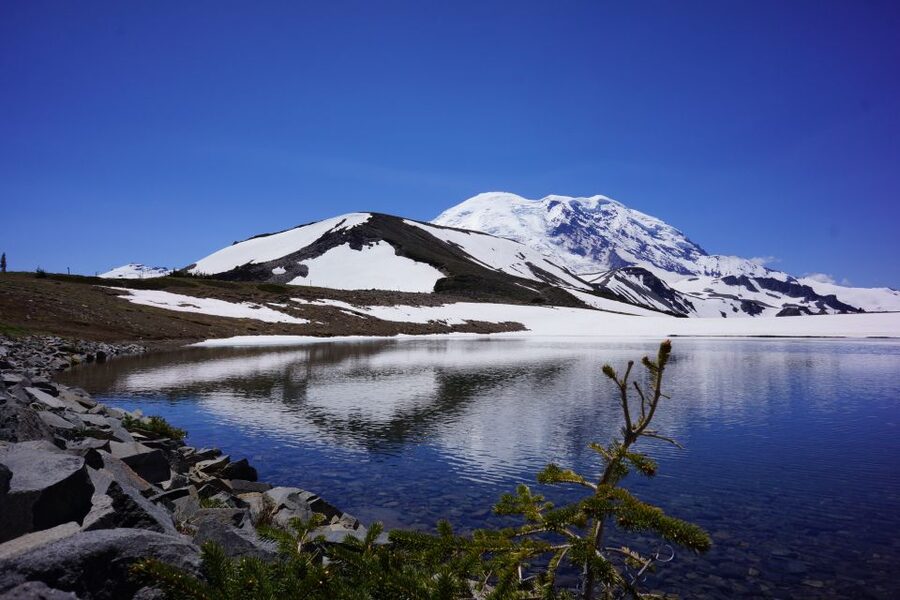
From there, the trail continues past Frozen Lake. This is where the hike becomes more fun than work. The terrain is still uneven and at higher elevation, but the scenery changes enough that your brain stays engaged. Frozen Lake acts like a landmark, not just a pass-through point.
And yes, goat watching is part of the deal. The route runs by mountain meadows where you may spot resident mountain goats grazing above and below you. You don’t need to chase them or stare until your neck hurts. Just keep your eyes moving and watch how your guide approaches the viewpoint. If goats are around, you’ll usually know it because they’re too calm to be accidental.
One practical consideration: because the trail sits at an elevated portion of the mountain (about 6,500 feet), you may feel the altitude even if you’re in decent shape. That means shorter breath cycles, slower steps, and drinking water regularly. It’s not about suffering, it’s about pacing yourself so you can enjoy the views and wildlife spotting.
More Mount Rainier days from Seattle:
- Mt. Rainier National Park Highlights Tour
★ 5.0 · 3,156 reviews - Mt. Rainier Day Tour from Seattle
★ 5.0 · 1,828 reviews - Best of Mount Rainier National Park from Seattle: All-Inclusive Small-Group Tour
★ 5.0 · 805 reviews
Snowfields to Second Burroughs: where Rainier finally takes the spotlight
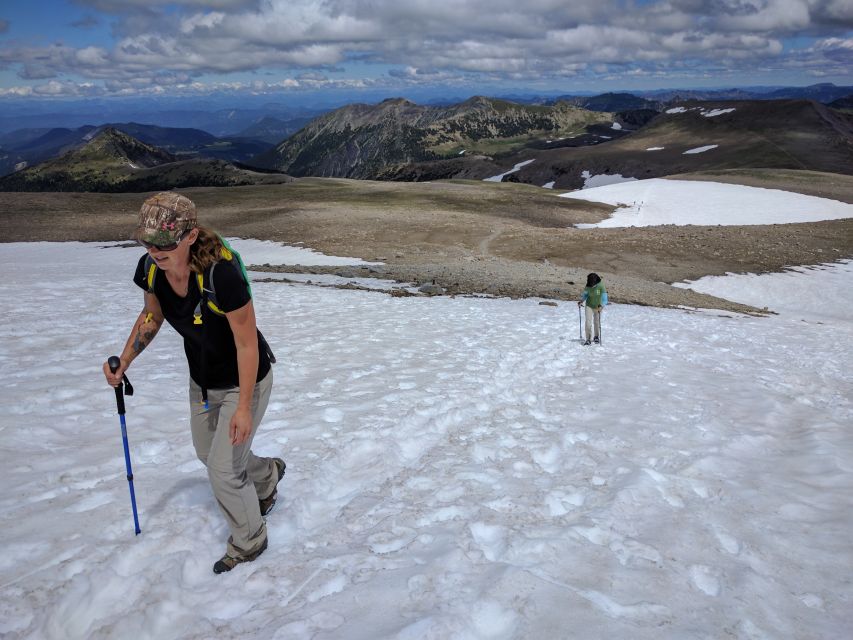
At some point you’ll cross two snowfields. The key detail here is that the hike is not technical, and you don’t need special climbing skills. Still, snowfield crossings are real, because your footing changes. The trail can also be uneven, and snow coverage can vary, so you should treat this as a hike where your shoes and trekking poles matter.
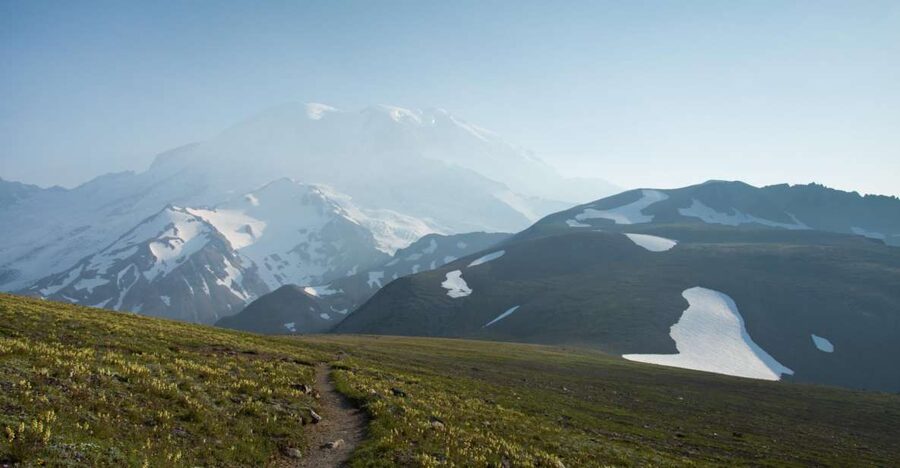
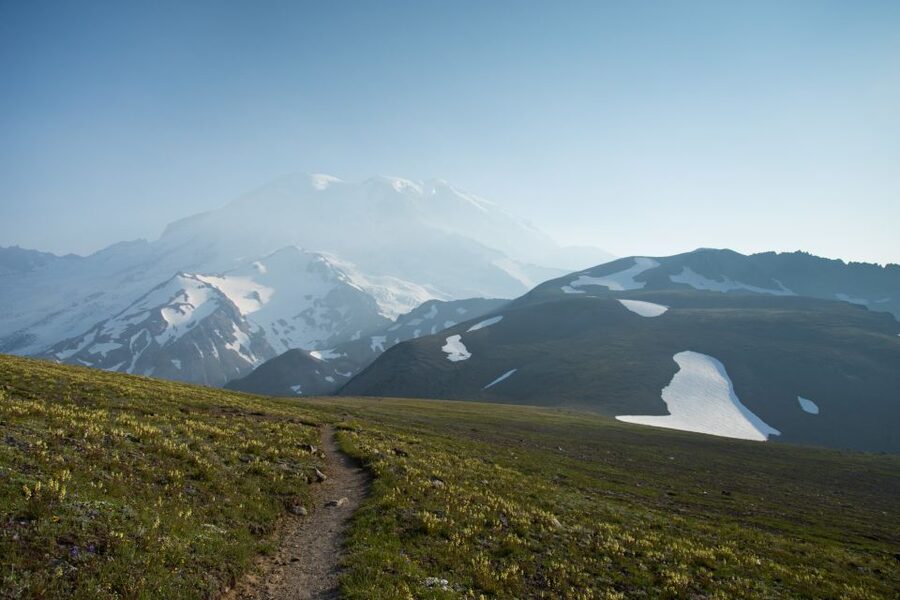
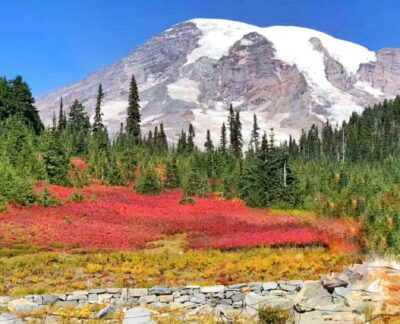
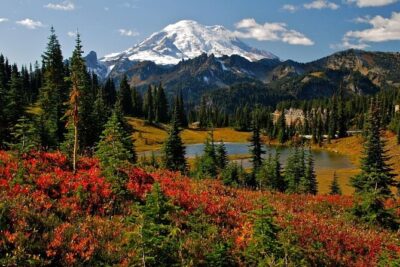
This is also where the route earns its name. As you continue upward to the Second Burroughs, Mount Rainier begins to appear directly in front of you. That transition is the moment the whole day starts to feel worth it. You’re not just hiking through scenic territory anymore. You’re seeing the mountain as a full subject, with the ridges and the scale working together.
The guide plays a big role here. A good guide helps you keep moving without rushing, and gives you the right context when your brain is busy counting your steps. In the reviews tied to this experience, Josh is specifically mentioned for friendliness and high interest in the flora, fauna, and landscapes, plus for photographing the hike and sharing the photos afterward. Sophia is also mentioned as an amazing tour guide. That matters on this part of the trail because Second Burroughs is where your attention needs to split between footing and the view.
If conditions are tough, you have options. The tour is designed with flexibility in mind, and you can choose to turn back at 4, 6, or 9 miles depending on what your body is telling you. That’s one of the best parts of this itinerary. It keeps the day fun instead of turning it into a forced grind.
The lunch stop: picnic views and why climbers are part of the mood
You’ll get a provided lunch and snacks. The lunch break is built into the hike and typically comes after you’ve reached a good vantage point, so you’re not eating while rushing uphill again immediately. This pause is the kind of moment that turns a good hike into a memorable day.
In the highlights, you can picnic and watch for mountain climbers on the peak. Even if you’re not a climber yourself, seeing people moving on the upper mountain adds a different layer to your perspective. It helps you realize you’re looking at an active world, not a static postcard.
This is also a smart time to reset. You’ll have a chance to catch your breath, drink something warm if you brought it, and check how everyone is doing. Since the group is limited to 5 participants, your guide can pace the rest of the day more personally.
One more small but important tip: bring warm layers and keep them accessible. Morning can be chilly even when the forecast sounds mild. When you stop for lunch at altitude, your body cools down faster than you think.
Guide-led comfort: small group size and photo sharing
The tour is limited to a small group of 5 participants, and that detail affects your whole day. Fewer people means you spend less time waiting, and your guide can slow down for uneven terrain or for someone who needs a breather without making it feel awkward.
Transportation logistics also tend to be smoother when the group is small and the schedule is organized. You’ll get park entrance fees included, and you won’t have to figure out parking or ticket lines on your own before your hike. The tour also includes hiking equipment: trekking poles and backpacks. That’s a practical value point because trekking poles can make a noticeable difference on uneven, high-elevation terrain, especially if snow shows up on the route.
Now for the human stuff. Reviews mention Josh as very knowledgeable and friendly, and specifically note how he photographed the whole hike and shared the photos after. That’s a surprisingly big benefit. It lets you focus on the trail instead of constantly juggling your phone camera while stepping across uneven patches. If you like hiking for your own experience first, not for constant filming, that photo sharing is a nice bonus.
Timing and pace: how long you’ll really be hiking
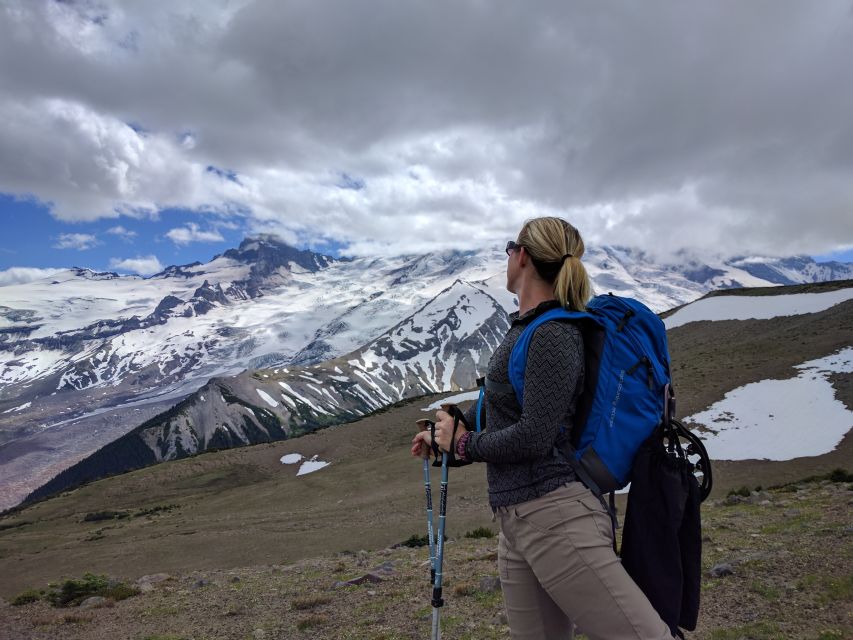
The tour is listed as a 1-day experience, but what people often care about is real time on their feet. Based on the experience style, you should expect about 4-plus hours on the trail for a route length commonly around 6-plus miles, depending on where you turn back. Another useful detail is that you can adjust your distance at 4, 6, and 9 miles.
This matters because Mount Rainier conditions are variable. Some days feel easier than others, and your altitude tolerance might surprise you. The tour’s structure lets you choose the effort level that still gets you good views. That’s a better setup than tours that lock you into one distance no matter what.
Still, be honest with yourself about the effort. The trail is described as not for the faint of heart, and it sits at high elevation. It’s not technical, but it is uphill and uneven. If you’re coming from sea level and you don’t hike regularly, pace yourself from the start.
A few other things to do around Seattle
What it costs, and whether it’s good value
The price is $269 per person. That might sound steep until you break down what’s included.
You’re paying for:
- Round-trip transportation from Seattle area accommodations
- Park entrance fees
- Hiking equipment, trekking poles and backpacks
- Lunch and snacks
- An experienced guide
- A small group limited to 5, which usually means more staff time and less crowding
If you were to arrange this yourself, you’d still need a way to get to Sunrise, the entrance fee, and a guide or at least careful route planning and equipment. The guide and small-group structure are the biggest value drivers. They reduce stress and help you stay safer, especially on a day with potential snowfields and uneven ground.
In other words, the cost isn’t just for “views.” It’s for the whole managed experience, including the parts you might otherwise underestimate, like timing, equipment, and pacing at altitude.
Who should book, and who should skip it
This is a great fit if you want:
- A guided day hike on a real trail, not a viewpoint-only outing
- Strong chances of volcano views from the ridge
- Wildlife interest, especially mountain goats
- A hike that gives you options to turn back rather than forcing one pace
It may not be a fit if you:
- Want a low-impact walk
- Need something suitable for children under 12, since children under 12 are not suitable
- Have mobility impairments, because the hike is not designed for that
- Have heart problems, since the activity is not suitable
Also note what’s not allowed: pets, smoking, alcohol and drugs, and open-toed shoes. That’s typical for a protected area, but it’s worth planning your shoe choice now.
What to bring so you’re comfortable on uneven, cold terrain
Bring the basics and assume the weather can change. Comfortable shoes are non-negotiable. Closed-toe shoes are required, and you’ll want warm layered clothing because you’ll be at elevation. Sunglasses help, too, especially if snow or bright light shows up.
A strong clothing setup usually means:
- Hat, gloves, and a base layer
- A fleece or down coat
- A windbreaker or raincoat
If you forget layers, you’ll feel it during lunch and on snowfield sections. If you wear the wrong footwear, you’ll feel it everywhere.
Final call: should you book this Mount Rainier Three Burroughs hike?
I’d book this if your goal is a real day hike with a guide, and you want Rainier framed by the surrounding volcano scenery. The Three Burroughs setup is what you’re paying for, plus the goat meadows and the lunch break with climbers in the distance. With a 5 out of 5 rating across 19 reviews and consistent mentions of guides like Josh and Sophia, the experience seems to hit the right balance of views, wildlife, and smooth logistics.
Skip it if you’re looking for easy terrain or if you fall into the not-suitable categories listed. This hike is doable for many people, but it’s still a hike at altitude, with uneven ground and possible snow.
If you want, tell me your hiking experience level and what month you’re going. I can help you decide whether 4, 6, or 9 miles makes the most sense for a first-timer on this route.
FAQ
Where does the tour start, and when do pickups happen?
Pickup is included from accommodations within the Seattle area and also around Mount Rainier on the north side and Sunrise side. Pickup is generally between 6 AM and 8 AM, and you’ll drive about two hours to reach Mount Rainier.
How long is the hike, and can I turn back early?
The activity is a 1-day tour. You’ll hike for about 2 hours on the schedule, but in practice you should plan for a longer hike, and you can choose to turn back at 4, 6, or 9 miles depending on how you feel.
Is the trail technical or does it require climbing skills?
No. The trail is not technical, and no special climbing skills are required.
What equipment and food are included?
You’ll have park entrance fees covered, plus hiking equipment including trekking poles and backpacks. Lunch and snacks are provided during the day.
What wildlife might I see on the route?
The hike includes time to look for resident mountain goats grazing in the mountain meadows near the trail, including around the area of Frozen Lake.
What should I bring, and what’s not allowed?
Bring comfortable shoes, warm clothing, and sunglasses. Pets, smoking, alcohol and drugs, and open-toed shoes are not allowed.
Is this suitable for kids or people with mobility or heart concerns?
No. It is not suitable for children under 12 years, people with mobility impairments, or people with heart problems.
Written up lately around the Sound
- Seattle Customized Private Tour
- Enchanting Zipline , Camano Island and Deception Pass Tour
- Full Day Seattle’s W2 Tour – Wineries and Waterfalls
- From Seattle – Private Mt Baker and Cascades Tour in SUV★ 5.0 · 1 review
- Museum of Glass and Thea Foss Waterway Walking Tour★ 5.0 · 1 review
- Seattle: Longmire in Mount Rainier Winter Day Tour★ 5.0 · 1 review
- Woodinville’s Downtown Wine Tasting Pass★ 5.0 · 1 review
Mount Rainier Tours, compared.
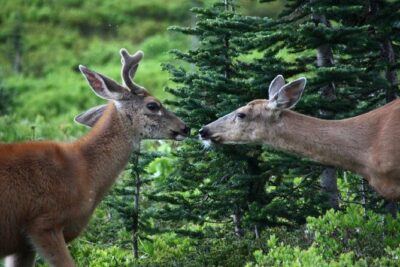
Best of Mount Rainier National Park from Seattle: All-Inclusive Small-Group Tour
Read our review →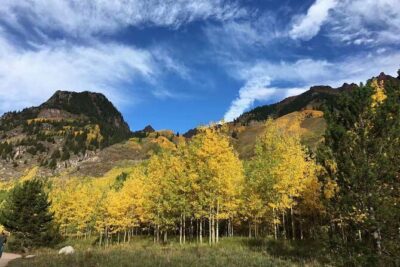
Mt Rainier National Park Small Group Day Tour from Seattle 2CanGo
Read our review →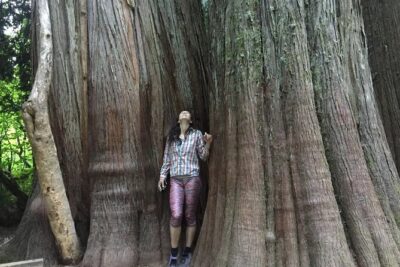
Mt. Rainier highlights – old forest, falls and glaciers
Read our review →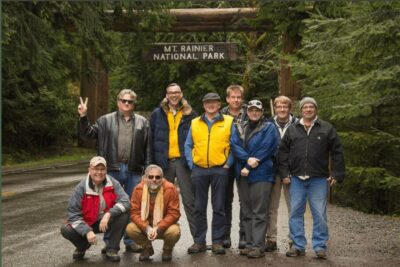
Mount Rainier National Park Day Tour from Seattle
Read our review →Browse the lists this tour appears in