Reviewed · TOURS
Mt. St. Helens National Monument from Seattle: All-Inclusive Small-Group Tour
Volcano day hits different when it is guided. On this all-inclusive Mt. St. Helens National Monument tour from Seattle, you get easy round-trip van transit and hands-on guided hike time with a naturalist. I especially like how the day mixes wildlife viewing with geology on foot, even though it is a long day with several walking stretches.
You start with breathing room at the Billy Frank Jr. Nisqually National Wildlife Refuge, then shift into Pacific Northwest time at Lewis and Clark State Park’s old growth forest. If you want a structured way to understand what happened in 1980 and what recovery looks like now, this route gives you that story in the order it makes sense.
One heads-up: you are committing to about 12 hours. With boardwalks and trail time plus a couple of longer walks, it is best if you are comfortable moving at an easy to moderate pace and dressing for changing weather.
In This Review
- Key things I’d zero in on
- A long van ride, but you do not feel stuck in it
- Who this van setup helps most
- Billy Frank Jr. Nisqually Refuge: birding first, volcano later
- Consideration
- Lewis and Clark State Park: old growth forest with big-tree context
- Why old growth matters to the Mt. St. Helens story
- Mt. St. Helens Visitor Center: the intro you need before you hike
- Tip for making this stop count
- Coldwater Lake boardwalk: a scenic reset with an easy win
- What you gain here
- Eruption Trail: walking into the blast zone
- Reality check
- Hummocks Trail: Mt. St. Helens bits, moved miles
- Best way to enjoy it
- Science + Learning Center: turning your photos into understanding
- Guides often add the human layer
- Price and value: why $344 can make sense for a 12-hour guided day
- When the price might feel steep
- What to wear, what to bring, and how the day handles weather
- Good to know about warmth
- How much walking you should expect
- Practical move
- Who should book this small-group Mt. St. Helens day trip
- Should you book this tour from Seattle?
Key things I’d zero in on
- Small group (max 10), which helps your naturalist guide tailor pace and questions.
- Old growth to recovery contrast, from Lewis and Clark State Park to the eruption recovery trails.
- Multiple hike types, including boardwalk walking at Coldwater Lake and longer stretches on major trails.
- Covered logistics, including round-trip transport from downtown Seattle and park entrance fees.
- Real food included, with coffee or tea, snacks, and a seasonal local lunch picnic spot.
- Weather-smart planning, since the guide adjusts timing based on road and conditions.
A long van ride, but you do not feel stuck in it
The day begins early. Pickup is set up around downtown Seattle, with the tour starting at 7:30am at the Sheraton Grand Seattle (1400 6th Ave). You travel in a newer Ford Transit van, which matters on a long road day, especially when you are wearing layers you want to stay comfortable in.
This tour is designed for you to focus on the outside, not the driving. Round-trip transit is included, plus you get a mobile ticket, so you are not juggling parking lots or figuring out which gate to use. It also makes solo travel easier. You can show up, get oriented quickly, and spend your energy on the mountain.
Who this van setup helps most
If you hate the stress of day trips where you must navigate multiple viewpoints, this is a big win. It is also helpful if you want a guide’s eyes on the details, like spotting wildlife and explaining what you are actually looking at.
Shortlisting? Set this against a few other Seattle options:
- Beneath The Streets Underground History Tour
★ 4.5 · 8,006 reviews - Chef Guided Food Tour of Pike Place Market
★ 5.0 · 3,733 reviews - Mt. Rainier National Park Highlights Tour
★ 5.0 · 3,156 reviews
Billy Frank Jr. Nisqually Refuge: birding first, volcano later

Your first stop is the Billy Frank Jr. Nisqually National Wildlife Refuge, a strong birding destination. You get about 30 minutes to stretch your legs and search the sky for migrating birds. This is a smart warm-up: before you deal with the dramatic story of 1980, you get a calmer, nature-first start.
What I like about starting here is the shift in attention. You go from city day mode into the rhythm of the Pacific Northwest, where birds, water, and wind do the talking. And because the tour is small, the guide can help you look for movement instead of just giving you a list of species.
Consideration
If you are not into birds, it might feel like a short stop. Still, it is short on purpose, because the bigger payoff is what comes next.
Lewis and Clark State Park: old growth forest with big-tree context
Next up is Lewis and Clark State Park, where you hike about 45 minutes through preserved old growth forest. This is where the day starts connecting ecology to the eruption story. Trees here are not just trees. Your guide frames what old growth means in terms of time, stability, and habitat.
This stop is also a great pace changer. The ground is walkable, and it sets you up for later trail time without turning the whole day into a workout. In the reviews, people really respond to the contrast: you can see how forests function before and after disturbance.
Why old growth matters to the Mt. St. Helens story
Old growth helps you understand what is being recovered. When you later step into the eruption trail area, the changes feel less abstract.
Rain in the forecast or not, these run out of Seattle too:




Mt. St. Helens Visitor Center: the intro you need before you hike
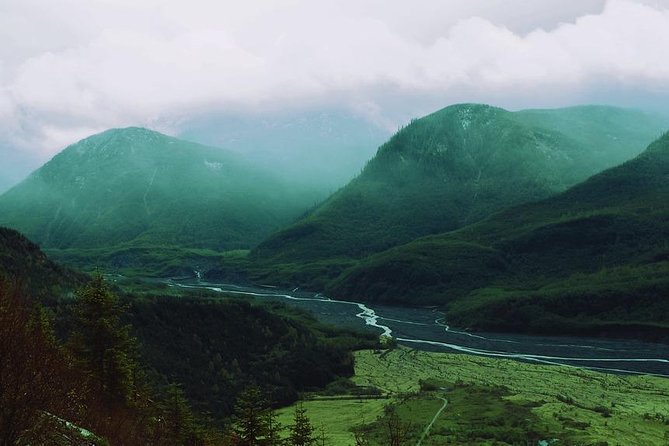
You then head to the Mount St. Helens Visitor Center above Silver Lake for about 30 minutes. This is your interpretive and restroom break, but it is also where the day’s theme locks in: the eruption as a cataclysm, and the rebound that followed.
The big advantage here is timing. You get the historical and natural context before you enter the blast zone areas later. If you skip this kind of setup when you travel independently, you often end up taking photos but missing the meaning behind them.
Tip for making this stop count
Take a few minutes to ask your guide what you should watch for on the trails ahead. The later hikes become easier to understand when you know what to look for, like regrowth patterns and landscape change.
Coldwater Lake boardwalk: a scenic reset with an easy win
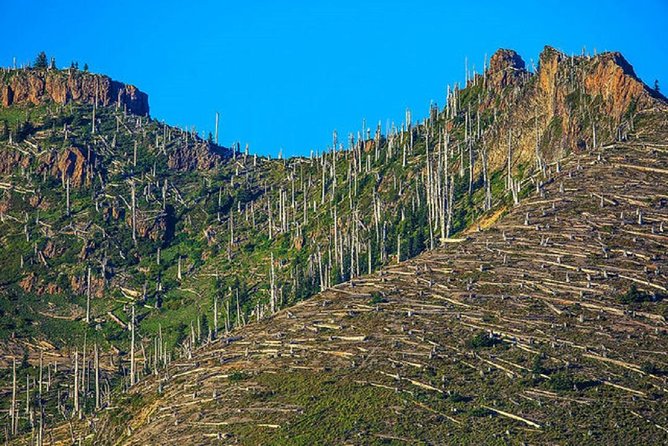
Coldwater Lake is next, with about an hour for a nature walk along the boardwalk. This part of the day is gentler than the longer trails, and it gives you a chance to slow down, soak in the views, and keep your legs fresh for what is coming.
The boardwalk also works as a weather equalizer. If conditions are wet or windy, a boardwalk is often easier to manage than uneven footing. You still get the feeling of being in a volcanic region, but with fewer “what if I slip” moments.
What you gain here
This stop helps you transition from history to present-day ecology. It is not just scenic. It is part of the story of how the region looks now.
Eruption Trail: walking into the blast zone
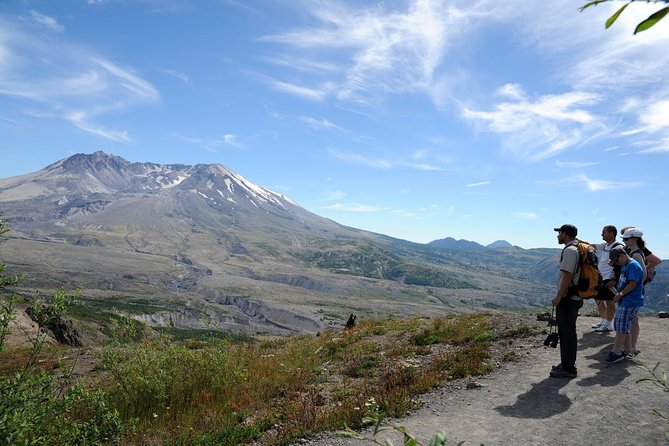
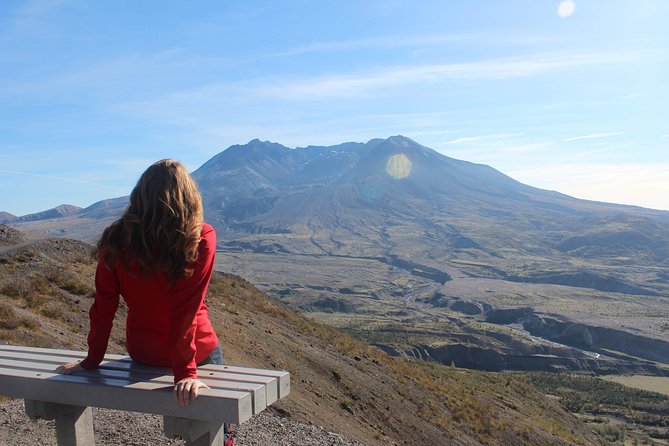
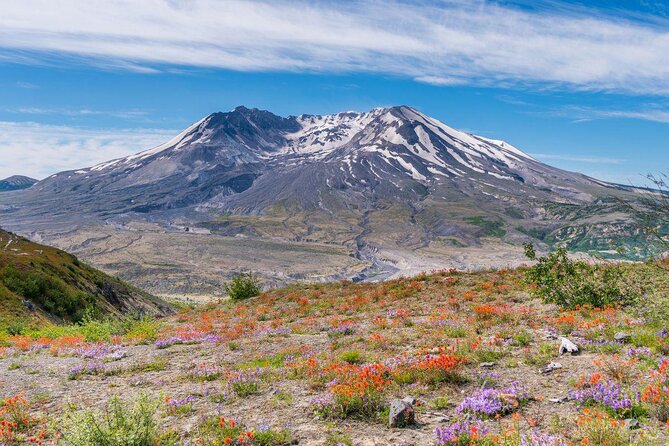
Now the day turns dramatic. You get about 1 hour 30 minutes on the Eruption Trail, walking into the blast zone of the famous 1980 eruption. This is the stop people remember, because it is physical. You are not only hearing about destruction, you are walking through the kind of terrain that makes scale real.
Your guide ties what you see to what happened before the eruption and what happened after. In past experiences with guides like Brent, Nate, and Marty, the common thread is that you get an explanation that goes beyond a basic timeline. It connects the eruption to living systems coming back, including how ecosystems adapt.
Reality check
Views can be clouded. One traveler noted how clouds can steal the peak view, but the day still worked because there are multiple viewpoints and multiple ways to learn. The best mindset is to treat the trails and interpretations as the main show, not just the mountain picture.
Hummocks Trail: Mt. St. Helens bits, moved miles
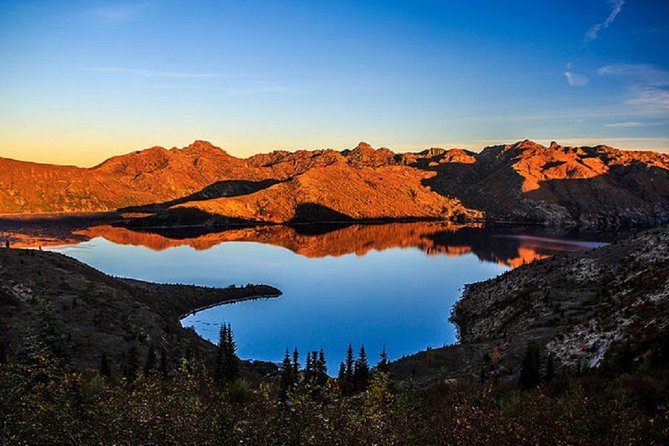
After the blast zone hike, you head to the Hummocks Trail for about an hour. This is one of the more uniquely themed parts of the route, because the “hummocks” are bits of Mt. St. Helens that were moved miles during the eruption. You walk along the Toutle River through their resting place far from the mountain.
This is the part where you really feel how far-reaching volcanic events can be. It also gives your guide a great opportunity to explain the eruption’s mechanics and the way material is transported and deposited. One of the reasons this stop gets praised is that it is memorable, not generic.
Best way to enjoy it
Keep your eyes on the ground and the river corridor, not only on the big views. This trail rewards attention.
Science + Learning Center: turning your photos into understanding
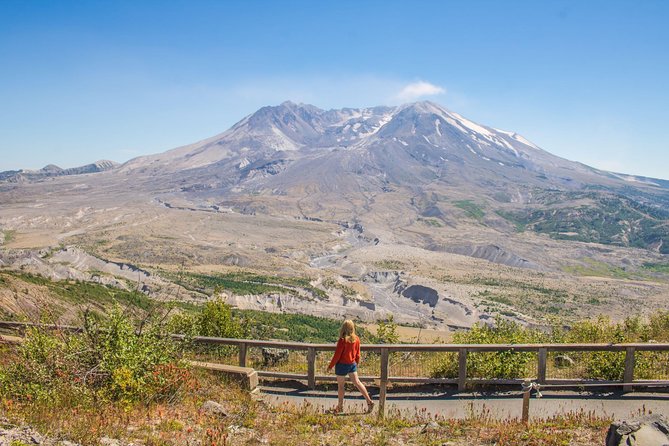
To wrap up, you visit the Mount St. Helens National Volcanic Monument area, including the Science + Learning Center above Coldwater Lake for about 40 minutes. Views are part of it, but this stop gives you indoor context too, plus a gift shop if you want a souvenir that matches the science.
What I like about ending here is that it helps you carry the day home. You get one last structured look at the region, and it gives you time to ask a final question while everything is still fresh.
Guides often add the human layer
In some runs, guides like Eric have incorporated local lore (including Bigfoot type stories) alongside the science. Even if you are not into folklore, it usually makes the facts feel more connected and easier to remember.
Price and value: why $344 can make sense for a 12-hour guided day
At $344 per person for about 12 hours, this tour is not the cheapest way to get to Mt. St. Helens. But it can feel fair when you break down what you are buying.
You are paying for:
- Round-trip transportation from downtown Seattle in a newer van
- A professional naturalist guide who stays with you all day
- Park entrance fees included
- Coffee or tea plus light pastry snacks, plus snacks, water, and sparkling water
- A seasonal local lunch planned for a picnic setting
- Guided hikes across multiple stops, with the pace adjusted for a small group
The big cost driver on this route is distance. If you drive yourself, you still need to handle the logistics, interpretive stops, and a packed schedule. Paying for a guide can be worth it when you actually want to understand the eruption, not just see it.
When the price might feel steep
If you are the type who wants to wander at your own pace with no structure, this kind of full-day program can feel limiting. You also need to be comfortable with several walking segments.
What to wear, what to bring, and how the day handles weather
This tour operates in all weather conditions. The guide crafts the best itinerary based on what the day allows, and rain on the Pacific Northwest coast is often a short chapter rather than a whole book. Still, severe winter weather can mean road closures and unpredictable changes.
So plan for layers. Closed-toe comfortable walking shoes are recommended. Bring a light wind or waterproof jacket and dress in layers, with a non-cotton outer layer suggested. Hats and sunglasses are handy, since visibility can swing quickly.
Good to know about warmth
Warm clothing is available upon request. That takes the pressure off if you pack lightly.
How much walking you should expect
This day is built for easy to moderate participation. You will have several distinct movement periods: a short birding stretch, a forest hike, a boardwalk walk, and longer trail time on the Eruption Trail and Hummocks Trail. It is a full day, not a quick photo stop.
Because it is a small group with a max of 10 people, your guide can tailor effort to your group’s tastes. Reviews frequently mention that guides handle different needs well, including pacing and attention to questions.
Practical move
If you are unsure about your comfort level, focus on shoe choice and leg recovery. Bring what you need to stay warm and hydrated, and take breaks when your guide offers them.
Who should book this small-group Mt. St. Helens day trip
This is a great fit if you want:
- A guided naturalist experience with real interpretive stops
- Old growth forest to eruption recovery contrast
- A day structured enough that you do not lose time to planning
- Transportation handled, including entrance fees and food stops
It is also a solid option for families, since the minimum age is 10. Solo travelers often like it too, because the group size keeps things social without turning into a big bus crowd.
Should you book this tour from Seattle?
If you want Mt. St. Helens to feel like a complete story, not a checklist of viewpoints, I think this is a strong booking choice. The blend of wildlife, old growth forest, blast zone hiking, and the Science + Learning Center end point makes the day feel coherent. Add in the included lunch, snacks, and transit, and the $344 price can feel less like a splurge and more like a well-run day out.
Book it if you are comfortable walking at an easy to moderate level and you are okay with an early start. Skip it if you want maximum flexibility to stop and go on your own, or if you know you will not handle multiple trail segments in one day.
Written up lately around the Sound
- Seattle Customized Private Tour
- Full Day Seattle’s W2 Tour – Wineries and Waterfalls
- Enchanting Zipline , Camano Island and Deception Pass Tour
- From Seattle – Private Mt Baker and Cascades Tour in SUV★ 5.0 · 1 review
- Museum of Glass and Thea Foss Waterway Walking Tour★ 5.0 · 1 review
- Seattle: Longmire in Mount Rainier Winter Day Tour★ 5.0 · 1 review
- Woodinville’s Downtown Wine Tasting Pass★ 5.0 · 1 review
Tours, compared.
Beneath The Streets Underground History Tour
Read our review →