
Reviewed · SEATTLE
Pacific Science Center General Exhibit Admission
Butterflies plus dinosaurs plus hands-on science. This is Seattle’s Pacific Science Center, where you can spend hours bouncing from exhibit to exhibit without a strict plan. I like the Tropical Butterfly House for its close-up, real-feeling nature moment, and I also love how the Salt Water Tide Pool turns sea life into a you-can-touch-and-learn stop.
Here’s the catch. This site leans family and younger-kid focused, so solo adults (especially those chasing high-end museum depth) may feel like they’re paying for a kid-friendly circuit, not a world-class adult collection. If you love planetariums, big-screen films, or lasers, you may also want to budget extra for add-ons.
In This Review
- Key Highlights You’ll Notice Fast
- Pacific Science Center Admission: What You Pay For (and Why It Can Be Worth It)
- Hours and Getting There: Plan Your Arrival Like a Local
- Butterfly House: The Exhibit That Moves Slow in a Good Way
- Salt Water Tide Pool: Sea Life Lessons You Can Feel
- Tinker Tank Makerspace: Where Engineering Feels Like Play
- Prehistoric Robotic Dinosaurs: Big Energy, Simple Learning
- Live Science Experiments: How They Keep the Day Interesting
- Adding IMAX, Planetarium, or a Laser Show: Worth Budgeting For
- Who This Visit Suits Best (and Who Might Find It Frustrating)
- Practical Tips So Your 2 to 3 Hours Actually Go Smooth
- Should You Book Pacific Science Center General Admission?
- FAQ
- What is included with Pacific Science Center general exhibit admission?
- What is not included in the admission ticket?
- Can I buy tickets for IMAX or shows on the day of my visit?
- How long should I plan to spend at the Pacific Science Center?
- What are the opening hours?
- Do I need to print anything for entry?
- Is there free cancellation?
- Do children need to be accompanied?
Key Highlights You’ll Notice Fast
- Tropical Butterfly House puts hundreds of free-flying butterflies in a garden setting.
- Salt Water Tide Pool lets you meet Puget Sound animals and their habitats.
- Tinker Tank turns science into makerspace-style building and design challenges.
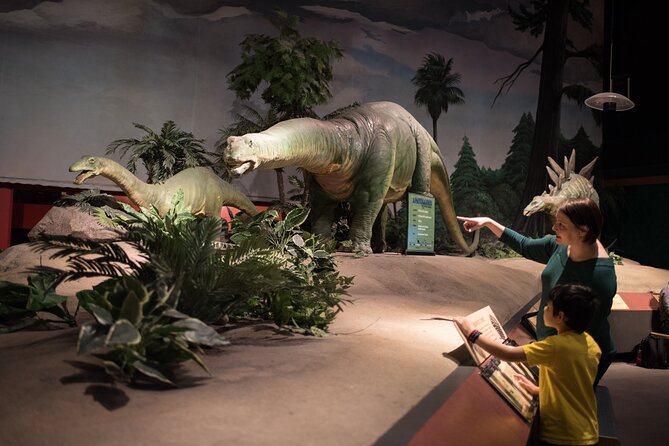
- Robotic dinosaur area mixes prehistoric themes with movement and learning.
- General admission works well as a 2 to 3 hour loop, then optional shows if you have time.
Pacific Science Center Admission: What You Pay For (and Why It Can Be Worth It)
Pacific Science Center general exhibit admission costs $33.75 per person, with local taxes included. That’s not a cheap ticket, but it does buy you access to a lot of hands-on, walk-through exhibits in one indoor location, which matters when you’re in Seattle and weather can swing.
The ticket is designed for a short visit too. Expect 2 to 3 hours as a realistic window if you hit the main areas and keep moving. If you’re traveling with kids, or you simply like stopping to try things, you’ll likely stretch that a bit, especially if a show or an extra activity pulls you in.
Also, plan for timing. This is the kind of attraction that tends to get booked ahead, with an average booking window of about 6 days. If you want a smoother start, secure tickets before you arrive.
Where the value can wobble is adult expectations. The center is very much built around younger learners, so if you’re an adult solo visitor looking for a more museum-like experience, you might feel like the permanent exhibits are basic compared to other science museums.
Hours and Getting There: Plan Your Arrival Like a Local
Pacific Science Center’s regular hours are Wednesday through Sunday, 10:00 AM to 5:00 PM, with last admission at 4:00 PM. On school holidays and breaks, it’s open Monday through Sunday. Hours can shift, so check the center’s own site before you go.
One practical tip from the real-world experience angle: build in time for getting to the building and parking. Reviews flag the parking structure as pricey and tight, so if you’re driving, give yourself buffer time and don’t treat parking like a quick errand.
The good news is that it’s near public transportation. If you’re car-free, you’ll likely have an easier day than drivers.
Shortlisting? Set this against a few other Seattle options:
- Beneath The Streets Underground History Tour
★ 4.5 · 8,006 reviews - Chef Guided Food Tour of Pike Place Market
★ 5.0 · 3,733 reviews - Mt. Rainier National Park Highlights Tour
★ 5.0 · 3,156 reviews
Butterfly House: The Exhibit That Moves Slow in a Good Way
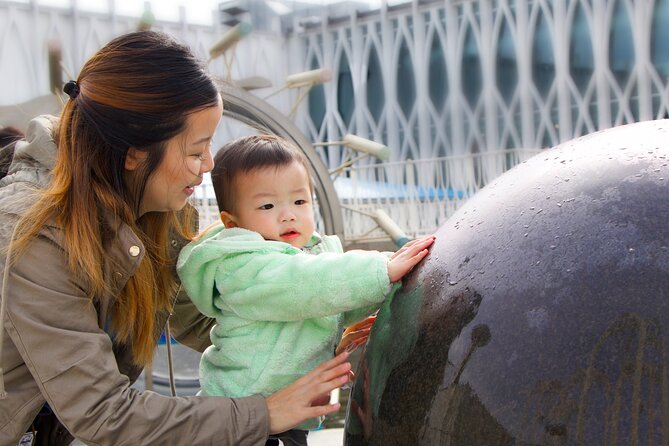
The Tropical Butterfly House is the kind of exhibit that changes the whole tone of your visit. Instead of sprinting from station to station, you slow down and look, because the butterflies are doing their thing right in front of you.
You’ll be walking through a lush garden setting where there can be hundreds of free-flying butterflies. This is not just a behind-glass display. It’s a living space experience, and that changes what kids notice and what adults remember. Even if you’re not a “nature person,” you’ll probably end up pausing more than you planned.
Why this stop is such a big deal: it’s one of the few exhibits that feels like a full mini-adventure inside the center. It’s also a strong choice early in your visit, because energy levels are higher and you’ll be less tempted to treat it like one more thing on a list.
Salt Water Tide Pool: Sea Life Lessons You Can Feel
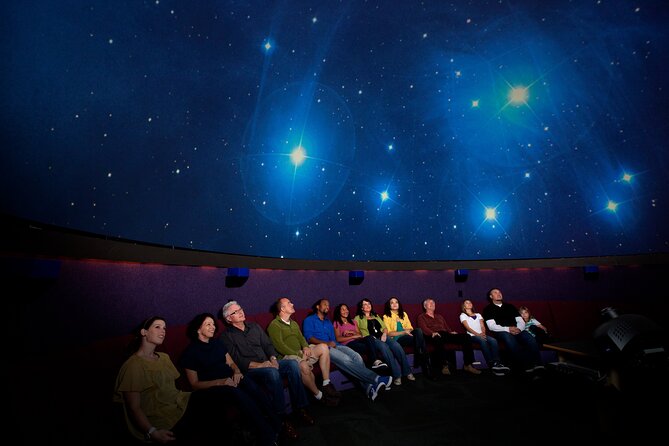
Next up is the Salt Water Tide Pool, focused on animals from Puget Sound waters. This stop is different from typical science-fair-style exhibits because it’s about habitat and how animals fit into an ecosystem, not just random facts.
You’ll be able to interact and learn about these creatures, and part of the point is sensory. You can feel their unique textures and discover how they co-exist in a vital ecosystem. That “texture and habitat” combo is a winner for kids who learn best with their hands and eyes, and it keeps adults engaged too because it’s not just reading labels.
A small practical note: this kind of interactive exhibit often has peak demand, so if you want less waiting, aim to hit it earlier in your visit.
Tinker Tank Makerspace: Where Engineering Feels Like Play
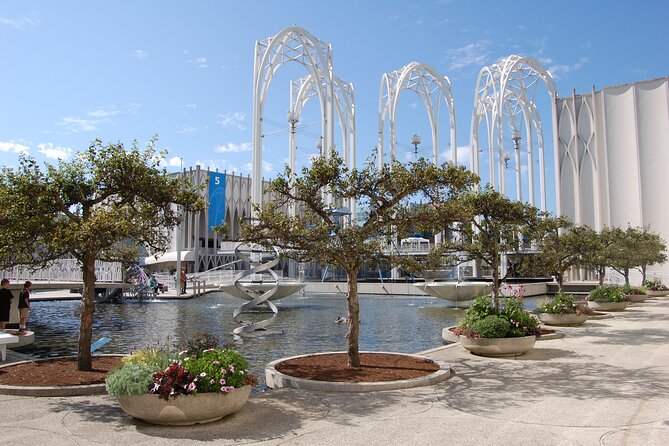
Tinker Tank is where the center shifts from “look and learn” to “build and try.” This area is focused on engineering and design challenges, with hands-on activities that reward curiosity more than perfect results.
If you’re traveling with kids, this is often the part that makes them feel like the visit is theirs. It’s not only watching science happen. It’s experimenting with how things can work, and that makes kids more willing to keep exploring even if another exhibit is crowded.
Even if your group is older, this is still valuable because it’s process-based. The emphasis is on trial, feedback, and redesign, which is a practical mindset you can carry back into real life.
The potential drawback is simple: makerspace activities can take time, and time matters because your visit is naturally capped by energy and closing hours. If you only have a short window, you’ll want to choose whether you spend more time here or prioritize shows later.
Prehistoric Robotic Dinosaurs: Big Energy, Simple Learning
Then comes the prehistoric area with roaring robotic dinosaurs. This is one of those exhibits that works on two levels at once. Kids get the excitement, and the learning part comes through habitat and behavior.
For a lot of families, this is a “must do” zone because dinosaurs are a universal hook. It’s also a good stress-free choice when kids want movement and wow-factor. Even adults who think they’re too old for dinosaurs tend to get pulled in when the robots are doing their thing.
The tradeoff is that this area is also likely to feel more like a themed learning space than a deep scientific study. If your group is older and you’re looking for detailed anatomy or paleontology depth, you may want to treat it as one highlight among several rather than your whole visit.
Rain in the forecast or not, these run out of Seattle too:




Live Science Experiments: How They Keep the Day Interesting
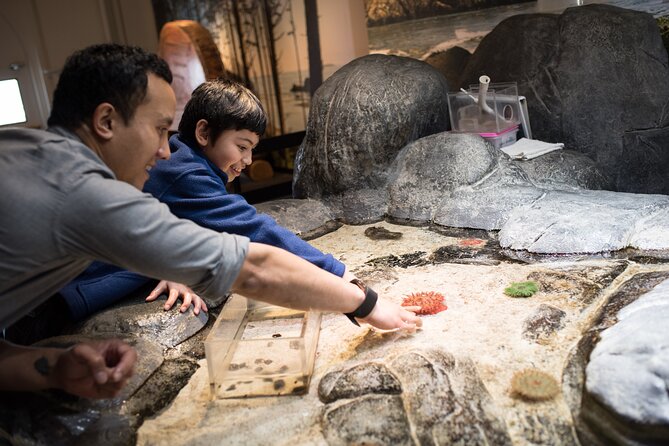
A core part of the Pacific Science Center experience is live science experiments. This isn’t a passive museum tour. It’s staged learning that gives you a reason to stop, watch, and then ask what you’d try next.
Even when you can’t plan your timing perfectly, the existence of live experiments is a big help. It breaks up the day and gives you moments of surprise, and those moments can be the difference between a “we toured it” visit and a “we had fun learning” visit.
If you’re visiting with younger kids, live experiments often work better than any lecture. If you’re visiting as a group of mixed ages, it’s a good common ground activity.
Adding IMAX, Planetarium, or a Laser Show: Worth Budgeting For

General admission gets you into the main exhibit circuit. It does not include the IMAX documentary, the planetarium, or the daytime laser show. IMAX tickets are available at the ticket booth for an additional fee.
Planetarium and the daytime laser show can be booked during your visit, but availability varies. Translation: don’t count on being able to add them unless you check what’s running once you’re there.
So should you add them? It depends on your group.
- If you have kids who love visuals and want a rest from walking, a planetarium or laser show can be a strong add-on.
- If you’re an adult who wants a more cinematic “wow” experience, IMAX may be the easiest way to upgrade the trip.
One more practical caution from real-world experience: some adult visitors have said the laser show can be uncomfortable for the eyes. If you’re sensitive to bright light or visual intensity, consider skipping it or choose an experience option that fits you better.
Who This Visit Suits Best (and Who Might Find It Frustrating)
Pacific Science Center is a clear win for families, especially if your kids are in the toddler to pre-teen range. Reviews and the exhibit mix point to a strong fit for kids under about 12, with plenty of interactive stations, age-appropriate zones, and hands-on design time.
Why that matters: when a place is truly built around hands-on learning, kids don’t need to “sit still and behave through it.” They get to do things. That’s not a small benefit. It changes the mood of the day.
Adults can enjoy it too, and some adults do find the exhibits fascinating and engaging. But if you’re a solo adult or you prefer more polished, updated, adult-focused galleries, you might feel disappointed by how kid-centric some permanent exhibits are.
If you fall into the “more adult museum expectations” camp, you can still make this work by adding one bigger attraction like IMAX, focusing on the most interactive parts, and keeping your expectations realistic.
Practical Tips So Your 2 to 3 Hours Actually Go Smooth
If you want to leave happy instead of rushed, I suggest you keep your visit simple and intentional.
First, pick your “must stops” and treat everything else as flexible. For many people, the Butterfly House plus one other anchor like the Tide Pool or Tinker Tank is the winning formula.
Second, start earlier in the day if you can. Last admission is 4:00 PM, and the center closes at 5:00 PM, so late-day visits can feel cut short.
Third, plan for food. Food and drinks are not included in admission, so decide how you’ll handle snacks and meals. If your group needs regular breaks, bring what you can or plan for a meal stop outside.
Finally, make sure you understand the space you’re in. Some visitors have said there aren’t always maps that jump out immediately, so if you’re someone who likes navigation aids, keep an eye out for signage and ask staff when you need a quick reset.
Should You Book Pacific Science Center General Admission?
Book it if you’re traveling with kids, especially if your group loves interactive exhibits, animals, and hands-on science. The combination of the Tropical Butterfly House, the Salt Water Tide Pool, and the Tinker Tank design activities is a strong use of time in one place.
Think twice or adjust your expectations if you’re a solo adult or you’re chasing more museum-level depth. General admission can feel like a kid-first circuit, and some adult visitors have reported basic exhibits and less satisfying show experiences. If you do go, consider upgrading with IMAX if it’s running during your visit.
If your main goal is a relaxing, predictable indoor family day in Seattle, this is an easy yes. Just go in with a plan that fits how your group learns and moves.
FAQ
What is included with Pacific Science Center general exhibit admission?
General admission includes entry to the science center’s exhibits, and local taxes are included. A mobile ticket is used.
What is not included in the admission ticket?
Food and drinks are not included. IMAX documentary tickets are not included, and planetarium and the daytime laser show are not included either. Those can be booked separately depending on availability.
Can I buy tickets for IMAX or shows on the day of my visit?
Yes. IMAX tickets may be purchased at the ticket booth for an additional fee. Planetarium and the daytime laser show can be booked during your visit, depending on availability.
How long should I plan to spend at the Pacific Science Center?
Plan for about 2 to 3 hours for a typical visit.
What are the opening hours?
Wednesday through Sunday the center is open from 10:00 AM to 5:00 PM, with last admission at 4:00 PM. During school holidays and breaks it is open Monday through Sunday. Hours may vary, so check before you go.
Do I need to print anything for entry?
No. You’ll use a mobile ticket.
Is there free cancellation?
Yes. Free cancellation is available up to 24 hours before the experience start time for a full refund. If the experience is canceled due to poor weather, you’ll be offered a different date or a full refund.
Do children need to be accompanied?
Yes. Youth age 12 and under must be accompanied by a responsible adult or legal guardian throughout the visit.
Written up lately around the Sound
- Seattle Customized Private Tour
- Enchanting Zipline , Camano Island and Deception Pass Tour
- Full Day Seattle’s W2 Tour – Wineries and Waterfalls
- From Seattle – Private Mt Baker and Cascades Tour in SUV★ 5.0 · 1 review
- Museum of Glass and Thea Foss Waterway Walking Tour★ 5.0 · 1 review
- Seattle: Longmire in Mount Rainier Winter Day Tour★ 5.0 · 1 review
- Woodinville’s Downtown Wine Tasting Pass★ 5.0 · 1 review