
Reviewed · COFFEE EXPERIENCES
Roasted in Seattle Bean to Cup Coffee Tour
Coffee and stories, in tight quarters. This bean-to-cup tour strings together eight Seattle spots where you learn to taste, smell, and roast coffee, with extra stops in Pike Place. I love the small group feel, because you actually get time to sip and ask questions without a constant shuffle.
One thing to consider: the walking portion moves fast, and Pike Place Market crowds can make Saturday tours feel crowded and noisy at the coffee counters.
In This Review
- Key things that make this Seattle coffee tour work
- How the 2-hour coffee crawl flows (and why it feels worth $68)
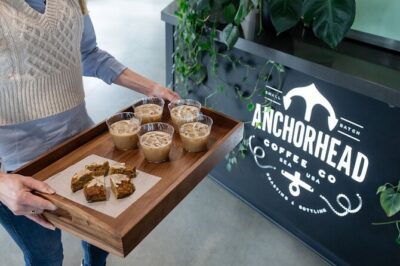
- Anchorhead Coffee, where you learn to taste with your senses
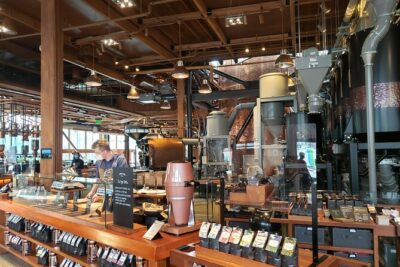
- First Starbucks: the origin story you can actually walk to
- Storyville Coffee Pike Place: farm-to-cup, but translated into bean-to-cup
- Ghost Alley Espresso: name stories and a fun tone
- Hands of the World in Pike Place Market: the stages that make coffee make sense
- Sound View Cafe: Seattle coffee stories with your cup in hand
- The Gum Wall photo stop: the quick Seattle icon moment
- Fonté Coffee on 1st Avenue: roasting as the final lesson
- Price and value: what $68 buys you in real time
- Timing and crowds: how to pick the day that fits your style
- What I’d bring, based on how the tour runs
- Who should book this Seattle bean-to-cup coffee tour
- FAQ
- How long is the Roasted in Seattle Bean to Cup Coffee Tour?
- What does the tour cost?
- Where does the tour start?
- What time does the tour start?
- What language is the tour offered in?
- How large is the group?
- What is the cancellation policy?
- Should you book this tour?
Key things that make this Seattle coffee tour work
- 8 coffee stops plus the Gum Wall photo so you get both caffeine and Seattle icons
- Only about 2 hours on foot with short stops designed to keep the flow tight
- Professional, courteous guide focused on coffee craft and Seattle coffee culture
- Hands-on tasting lessons that go beyond, just drink and smile
- Max group size of 20 helps sampling feel less rushed
How the 2-hour coffee crawl flows (and why it feels worth $68)
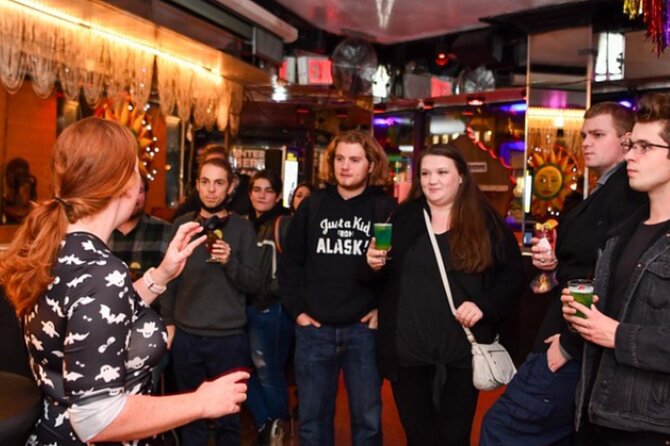
This is a compact Seattle tour built for people who want more than a “coffee is great” conversation. You start at Anchorhead Coffee at 11:00 am, then you keep hopping between shops and market-side landmarks for about 2 hours, ending back at the meeting point. With only around 15 minutes per stop, the schedule is simple, but you should come with curiosity rather than expecting a long sit-down.
For $68 per person, the value comes from two things: the number of locations and what you do at each one. You’re not paying for a single tasting, you’re paying for a guided chain of lessons that builds from aroma and flavor, to roasting, to how coffee moves from farm to cup. Plus, all the stop access on the schedule is listed as ticket free, so you’re not hit with extra admissions as you go.
The other big value lever is the group size. With a maximum of 20 people, you have a decent chance of getting your questions answered and getting your share of samples, instead of waiting in line for everything. In at least one solo situation I’ve seen described, a smaller group meant time to relax at each stop and taste fully, not just get through the motions.
Anchorhead Coffee, where you learn to taste with your senses
Your first stop is Anchorhead Coffee at 2003 Western Ave STE 110A. This is where the experience starts feeling practical, because you’re not just hearing coffee trivia. The shop brews and bottles coffee on the premises, and the guide pushes you to learn how to smell, sip, and taste like a coffee person, not just a coffee consumer.
You also get Seattle context right away, because the guide shares the story of coffee in the city while you’re standing in the place doing the work. That matters because coffee history can sound abstract until you’re surrounded by the real workflow. Anchorhead sets the baseline for the rest of the tour, so later stops make more sense.
A quick heads-up: because the stop is only about 15 minutes, you’ll want to pay attention early. If you spend the first minutes just watching other people taste, you might miss the best part, the guide’s quick framework for noticing aroma and flavor.
A few other things to do around Seattle
- Seattle Coffee Tour: Capitol Hill Cafes, Tastings & Local Stories
★ 5.0 · 489 reviews - Seattle Coffee Crawl-Small Group Tour
★ 5.0 · 240 reviews - Seattle: Coffee Culture Walking Tour
★ 4.8 · 84 reviews
First Starbucks: the origin story you can actually walk to
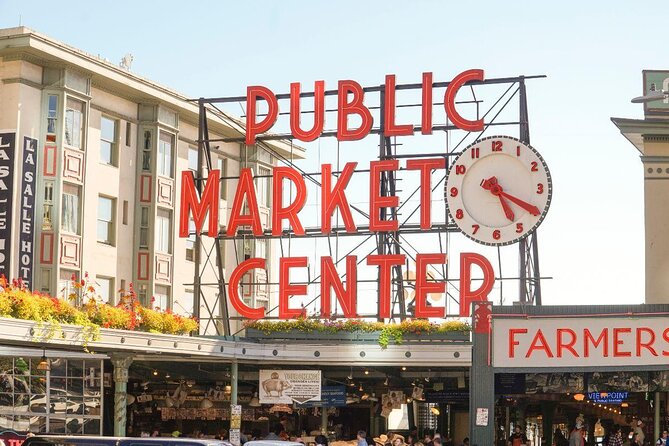
Next you head to Starbucks Coffee Company, focused on the First Starbucks. This is the part of the tour that shifts from sensory tasting to origin story. You’ll learn how the company started, which is fun even if you’re not a Starbucks superfan.
Why this stop helps: it puts a major global brand into a local Seattle timeline. It’s easier to understand how coffee culture evolved when you can connect it to one physical starting point, even if the company grew into something much bigger than its origins.
The possible drawback here is also simple. If you’re expecting deep brewing technique at this stop, you may find the focus leans more toward story. Still, it’s a good reset point, and it gives you a different lens before you bounce into the more craft-forward shops.
Storyville Coffee Pike Place: farm-to-cup, but translated into bean-to-cup
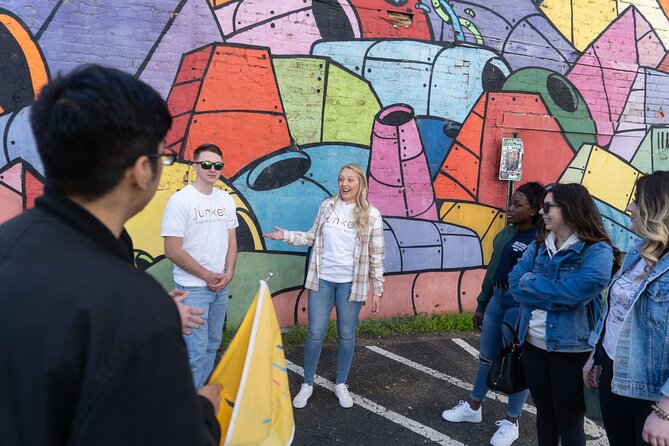
Then you hit Storyville Coffee Pike Place, where the guide explains how coffee goes from harvest to cup. The key idea here is bean to cup, and you’ll learn what it takes for coffee to travel through the process, not just the final roast flavor.
This stop is valuable because it connects your tasting to the supply chain. If you’ve ever wondered why one coffee tastes “cleaner” or “more chocolatey,” this is the kind of conversation that helps you connect flavor to choices and conditions, even if the tour won’t go into heavy technical detail.
One practical note: because this is a Pike Place location, it can feel busy depending on the day. The tour is still short and organized, but if crowds annoy you, plan your timing carefully. If you’re flexible, a weekday may feel calmer.
Ghost Alley Espresso: name stories and a fun tone
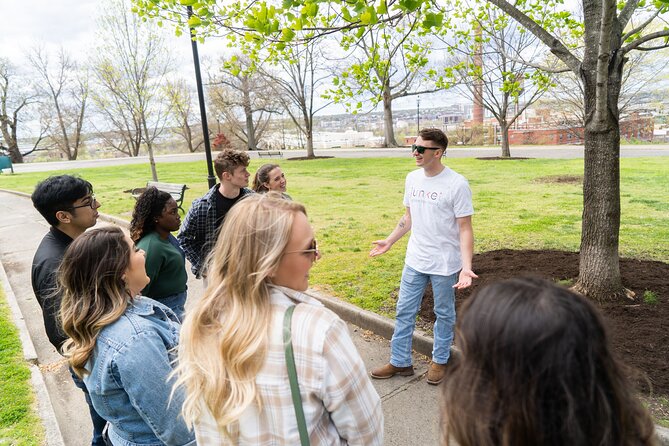
At Ghost Alley Espresso, the guide talks about where the shop got its name. This one adds personality to the tour, with a playful Seattle vibe built into the stop. You’re still learning, but the mood changes, which keeps you from feeling like the whole tour is classroom time.
This is a good place to ask direct questions while you have the guide’s attention. Coffee people often love explaining why a certain place tastes different, even when the menu looks similar. And since you only have about 15 minutes here, you’ll get the most out of it if you bring your curiosities now.
If you’re someone who likes spooky Seattle stories, you’ll probably enjoy the contrast. If you’re purely focused on brewing science, you might treat it as a palate break and a fun moment before the market-side stops.
Hands of the World in Pike Place Market: the stages that make coffee make sense
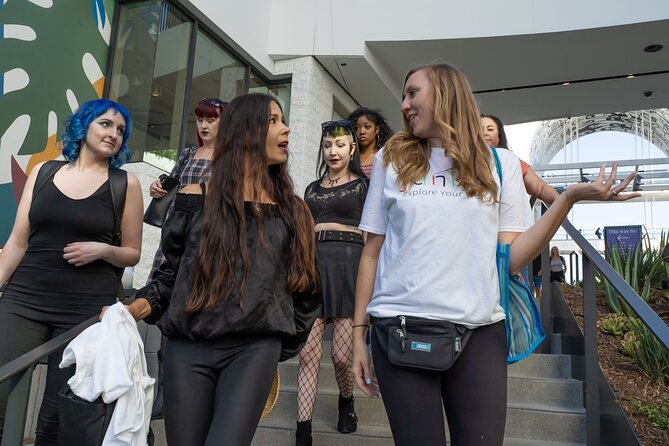
Next is Hands of the World in Pike Place Market. Here the guide walks you through the stages of coffee. The helpful point is that the tour reframes coffee as a chain of steps. You’ll learn that making a cup of caffeinated goodness is not one moment, it’s multiple stages that need to go right.
For your brain, this is where the “coffee tasting” piece clicks into “coffee meaning.” Earlier, you learned to smell and taste. Now, you’re learning why those flavors exist, because the process matters.
There’s also a practical takeaway for you here. In busy market conditions, the stop structure matters, and a guided pace helps you avoid the stall-out where you lose time standing around while other people order. This tour keeps moving, and that keeps you from feeling trapped in the crowd.
Rain in the forecast or not, these run out of Seattle too:
Sound View Cafe: Seattle coffee stories with your cup in hand

At Sound View Café, the guide continues with Seattle coffee stories, plus you enjoy some sips. This stop feels like a bridge between the craft side of coffee and the broader city culture that made coffee a Seattle thing.
This is also a good stop for comparison. If you’ve been tasting and noticing, you can start asking yourself, what’s changing in the flavor from stop to stop. Are you getting more roast depth, more brightness, or just stronger coffee? The guide’s job is to keep the story moving, but you can use the sips to track your own preferences.
Because the schedule keeps it to about 15 minutes, you’ll want to be ready to taste quickly and decide what you like. If you wait too long, you may end up drinking without really noticing.
The Gum Wall photo stop: the quick Seattle icon moment
Then it’s The Gum Wall, and yes, you can take a picture in front of the iconic wall. This is a pure Seattle moment, not a brewing lesson. It’s also a smart pacing trick, because it breaks up coffee-to-coffee comparisons with a landmark you recognize instantly.
Why this works in a coffee tour: it gives you a mental reset. You’ll spend all morning learning tasting frameworks and roast concepts, and then you get a simple waypoint photo that anchors the whole walk in your memory.
If crowds are thick, you might want to time your photo quickly and respectfully. This is one of those Seattle classics where everyone wants the same shot.
Fonté Coffee on 1st Avenue: roasting as the final lesson
The tour ends at Fonté Coffee on 1st Avenue, where you learn about the roasting process. This stop ties the entire tour together. If earlier lessons are about sensing and understanding coffee’s journey, roasting is where the “why does it taste like that” part gets real.
This is a great final stop because roasting is the bridge between origin and cup. It’s also where you can connect what you noticed in flavor to what might have happened in the roast. You’ll leave with a more complete map of the whole system.
In practical terms, this is also a good last stop for questions. Since you’re near the end, you’ll get the sense that the guide can clarify what you’re most curious about, whether that’s roast profiles, flavor differences, or how Seattle coffee culture learned to be its own thing.
Price and value: what $68 buys you in real time
Let’s talk money without hand-waving. At $68, you’re paying for a guided circuit of eight stops over about 2 hours, plus the guide’s researched Seattle coffee storytelling and tasting structure. The stops themselves are scheduled as free admission tickets, which matters because it keeps your total cost more predictable.
The value becomes clearer when you think about what you could do solo. You could walk Pike Place and buy coffee here and there, but you’d be guessing what to notice and why each place tastes different. This tour gives you a framework, and it’s delivered by someone who can connect the stories across multiple shops.
The other value point is the pacing. With short stops and a max group size of 20, you’re not stuck waiting forever. You’re not trying to coordinate a bunch of independent coffee missions. The guide handles the flow, you handle the tasting and questions.
One last value check: you’re likely to drink strong coffee during the tour. If you’re caffeine sensitive, you’ll want to plan for it. The tour is designed for coffee learning, so it isn’t a gentle stroll with one light sip.
Timing and crowds: how to pick the day that fits your style
You’ll be walking through areas where people gather, and that includes Pike Place Market. One consideration that really matters is day of week. If you go on a busy day like Saturday, coffee counter lines and foot traffic can slow down your experience and make it harder to hear the guide.
If you want a smoother flow, consider going on a weekday when the market feels less packed. That doesn’t eliminate crowds, but it tends to make the short stop timing easier to handle.
Also, plan your expectations. This is not a slow, linger in each shop type of tour. It’s a guided coffee walk with 15-minute stops, so if you love taking your time and ordering full drinks, you may want to do that on your own after the tour.
What I’d bring, based on how the tour runs
I’m not telling you to overpack, but I would come ready to taste and walk. Wear comfortable shoes. You’ll do multiple blocks of movement and end up clustered in market spaces where sidewalks can get crowded.
Bring a small question list. Coffee tasting gets more fun when you have one or two things you want to understand. Examples: why one roast tastes brighter, how to notice aroma differences, or how coffee process affects flavor. If you go in asking, you’ll get a much better return on your time.
Finally, keep in mind the tour includes a Gum Wall photo stop. If you’re picky about photos, have your phone ready and be ready to move quickly when the moment happens.
Who should book this Seattle bean-to-cup coffee tour
This tour is a strong fit if you want:
- A guided Seattle coffee circuit across multiple shop styles
- A sensory tasting lesson where you learn how to smell and taste
- A walk that includes both coffee craft and Seattle landmarks like Pike Place Market and the Gum Wall
It’s also a good pick if you’re traveling solo. A smaller group pace can mean more time to ask questions and enjoy samples without constant scheduling around other people’s orders.
You might skip it if:
- You dislike caffeine or want a very light, casual coffee experience
- You’re sensitive to crowds and loud market areas
- You’d rather do a slow self-guided crawl where you can choose your own pace
FAQ
How long is the Roasted in Seattle Bean to Cup Coffee Tour?
The tour lasts about 2 hours.
What does the tour cost?
It costs $68.00 per person.
Where does the tour start?
The meeting point is Anchorhead Coffee, 2003 Western Ave STE 110A, Seattle, WA 98121.
What time does the tour start?
The start time is 11:00 am.
What language is the tour offered in?
The tour is offered in English.
How large is the group?
The tour has a maximum of 20 travelers.
What is the cancellation policy?
You can cancel for a full refund up to 24 hours before the experience’s start time.
Should you book this tour?
If you want a tight, guided way to understand Seattle coffee, I’d book it. The combination of a tasting-focused approach, multiple recognizable shop stops, and a final lesson on roasting makes it feel like you’re leaving with more than just caffeine.
Just pick your timing wisely if you hate crowds, especially around Pike Place Market, and come ready for strong coffee and short stops. If that sounds like your kind of Seattle morning, this one is a solid use of two hours.
Written up lately around the Sound
- Seattle Customized Private Tour
- Enchanting Zipline , Camano Island and Deception Pass Tour
- Full Day Seattle’s W2 Tour – Wineries and Waterfalls
- From Seattle – Private Mt Baker and Cascades Tour in SUV★ 5.0 · 1 review
- Museum of Glass and Thea Foss Waterway Walking Tour★ 5.0 · 1 review
- Seattle: Longmire in Mount Rainier Winter Day Tour★ 5.0 · 1 review
- Woodinville’s Downtown Wine Tasting Pass★ 5.0 · 1 review
Coffee Experiences, compared.
Seattle Coffee Tour: Capitol Hill Cafes, Tastings & Local Stories
Read our review →


Browse the lists this tour appears in