
Reviewed · WORKSHOPS
Hands on Sushi Rolls class
Sushi lessons in the rain, yes please. This hands-on Seattle class pairs market selection with a guided build-your-own roll experience, led by Fumiko in a small group format.
I like that you actually do the work, not just watch. You’ll make multiple roll types, enjoy miso soup and green tea, and then eat what you roll for lunch.
One thing to plan for: expect some walking. The market leg can add up to close to a two-mile round trip, so wear comfortable shoes and give yourself extra time to arrive.
In This Review
- Key highlights to know before you go
- Prune Kitchen Seattle: A cozy cooking school base
- Market picking in Seattle: turning browsing into sushi choices
- Learning sushi the practical way with Fumiko
- What you’ll roll: salmon, cucumber, and a veg plus cream cheese style
- Lunch made from your own work, plus miso and green tea
- Duration, meeting point, and how to plan your time
- Price and value: what $125 buys you in real terms
- Who should book this sushi rolls class
- Practical tips for rolling better, faster, and calmer
- Should you book Prune Kitchen’s hands-on sushi rolls class?
- FAQ
- Where does the hands-on sushi class start?
- How long is the class?
- What is the price per person?
- What do I get to eat?
- How many people are in the group?
- Do I need any special clothing?
- What should I know about kids and dietary needs?
Key highlights to know before you go
- Choose your own ingredients at a local market so your rolls feel personal, not pre-baked
- Hands-on instruction with Fumiko focused on step-by-step technique
- Small group size up to 8 for more attention and slower pacing
- You eat your sushi for lunch plus miso soup and green tea
- Recipe included so you can recreate the rolls at home
- Fresh ingredients called out as a standout in multiple experiences
Prune Kitchen Seattle: A cozy cooking school base
This experience starts at Prune Kitchen Seattle, a dedicated cooking school setting that keeps the day practical and focused. The vibe is casual and comfortable, which matters because sushi is equal parts skill and confidence. If you’ve never made rolls before, you want a place where it’s okay to go slow, ask questions, and fix little technique issues on the spot.
The class component is about two hours, but your total time is roughly 2 hours 30 minutes once you account for the full rhythm of the activity. That timing works well in Seattle, where weather can change fast. You’re not stuck in a half-day lecture. You’re learning, chopping, assembling, and tasting in a steady flow.
A smart detail here is that the group stays small, max 8. That’s not just a comfort perk. It affects how fast you get help with rice handling, rolling pressure, and ingredient placement. In a larger class, you can end up waiting your turn.
Market picking in Seattle: turning browsing into sushi choices
One of the most valuable parts is that you select ingredients at a local market before you start rolling. That does two things for you. First, you get a real sense of what goes into sushi beyond a menu description. Second, your choices make the food more memorable, because your hands picked the items that end up on your cutting board.
You should also be prepared for a walk. The market trip can approach a two-mile round trip, and you’ll want shoes that won’t punish you by the end. If it’s raining, plan for slippery sidewalks and a steady pace.
The market stop adds more than shopping. You get a brief tour experience plus historical or context-style storytelling, which makes the ingredients feel like they belong to a place, not just to a recipe card. Even if you’re short on time in Seattle, you’ll come away understanding sushi ingredients in a way most food tours never reach.
A few other things to do around Seattle
- Mad Scientist Drink Fusion Lab, A Mocktail Focused Workshop
★ 4.5 · 17 reviews - Authentic Italian Cooking Class in Seattle (5-Course Meal)
★ 5.0 · 7 reviews - Private Seattle Cooking Class with a Chef in Her Home
★ 5.0 · 6 reviews
Learning sushi the practical way with Fumiko
Fumiko is at the center of this class, and that matters. Multiple experiences highlight her patience and clear explanations, which is exactly what you need when sushi feels fiddly the first time. The teaching style is hands-on and step-by-step, so you’re building the roll as you learn, not scrambling to translate instructions later.
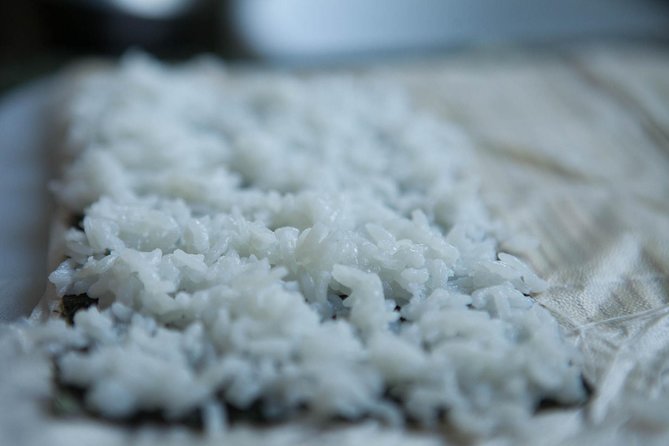
You’ll also get guidance that helps you avoid common mistakes. For example, rice texture and how you handle it drives the entire roll. When you learn the right touch, the sushi stops falling apart and starts looking like something you’d actually order.
One more thing I appreciate in this format: it tends to feel relaxed. This is not a performance. You’ll get time to do each step correctly, and you’re encouraged to ask questions instead of rushing through. That slows the day down in the best way.
If you’re the type who likes to understand the why behind the how, the stories and tips offered during the class help the technique stick. You leave with a repeatable process, not just a finished plate.
What you’ll roll: salmon, cucumber, and a veg plus cream cheese style
The class builds toward a small set of roll styles, with specific ingredient counts provided. You’ll work with:
- Smoked salmon roll (8 pieces)
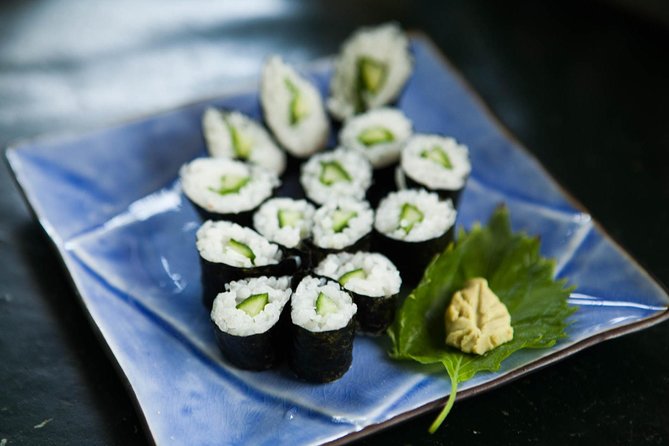
- Cucumber roll (8 pieces)
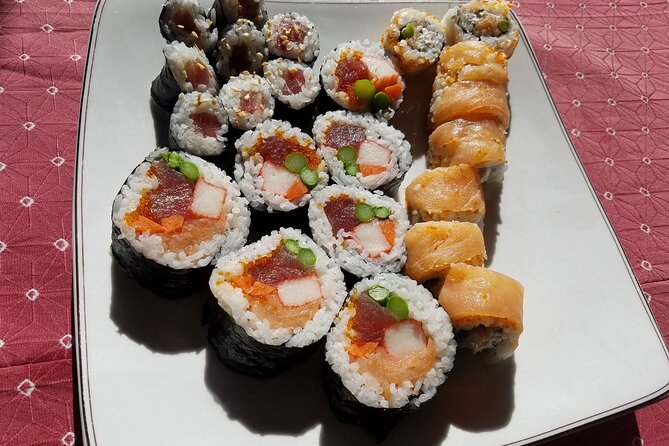
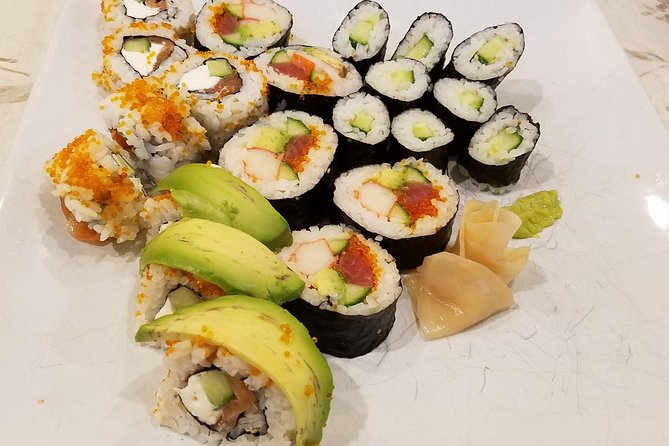
- A larger half roll (4 pieces) filled with vegetables, cream cheese, and fish
That mix is smart because it covers different flavors and textures. Salmon gives you that smoky, savory backbone. Cucumber brings crunch and freshness. The veg plus cream cheese approach adds a creamy element that feels approachable if you’re used to more familiar flavors.
You should expect a hands-on structure for each roll: portioning ingredients, assembling in layers, and rolling tight enough to hold shape while not crushing the rice. The class is designed so you can get comfortable with the mechanics before you focus on finishing.
Also, the ingredients are described as fresh, and that’s a big deal. With sushi, the difference between okay and great often comes down to ingredient quality. When the fish and produce feel good, the techniques you learn translate better to what you’ll buy later.
Lunch made from your own work, plus miso and green tea
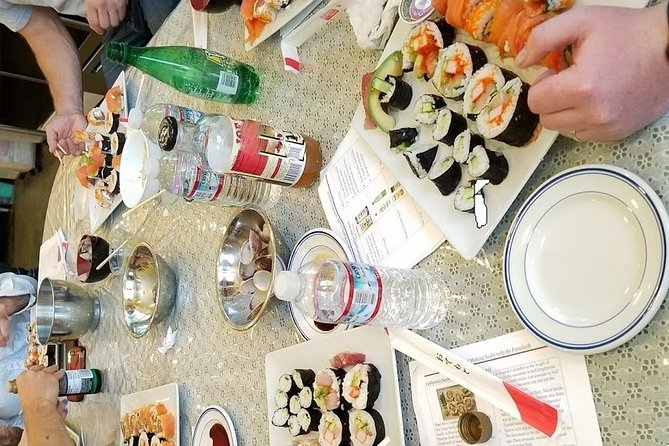
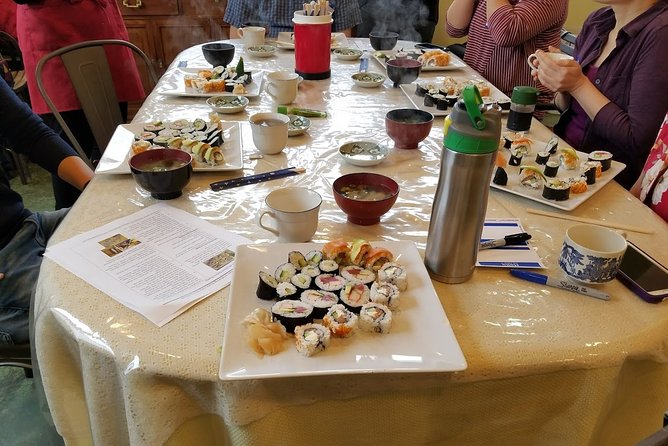
The big payoff is that you eat the sushi you create for lunch. That might sound obvious, but the way most classes work is that you make something quickly and then it’s gone before you fully understand it. Here, the day’s structure centers on you getting to experience the results of your own rolls.
Along with lunch, you’ll also have miso soup and green tea. Miso soup is warm, comforting, and it acts like a reset between rolling and eating. Green tea helps cut through richness, especially if you’re going heavier on salmon or the cream-cheese style roll.
And yes, dinner is listed as included too. The exact form isn’t spelled out in the details you were given, so I’d treat it as a second meal as part of the package. In plain terms: you’re not going to need to scramble for food after the class ends.
If you’re pairing this with other Seattle plans, plan a lighter dinner reservation afterward, or keep your schedule flexible. A cooking class that feeds you twice tends to change your hunger clock.
Duration, meeting point, and how to plan your time
You’ll meet at Prune Kitchen Seattle, 1508 25th Ave S #3708, Seattle, WA 98144. The activity ends back at the same meeting point, so you can plan your next stop without figuring out a new drop-off location.
The run time is about 2 hours 30 minutes. That’s short enough to fit into a travel day, but long enough to learn something real. The class itself is about 2 hours, and the remaining time comes from the full flow of market picking and eating.
Location-wise, it’s described as near public transportation. That’s helpful in Seattle because parking can be annoying and traffic can slow you down. Still, the market walk is part of the day, so don’t plan to arrive in a sprint-and-go style.
Dress code is smart casual. Think comfortable layers, since Seattle weather can shift. You’re standing, handling ingredients, and walking a bit, so avoid shoes you only wear on museum floors.
Rain in the forecast or not, these run out of Seattle too:




Price and value: what $125 buys you in real terms
At $125 per person, this is not a budget hands-on activity. But sushi classes can be surprisingly expensive when you factor in instructor time, ingredient cost, and the fact that food is not just a prop, it’s what you eat.
Here’s what you get for the price, based on the provided details:
- Market ingredient selection that shapes your rolls
- Hands-on instruction with a chef or guide
- Ingredients for multiple roll styles, plus miso soup and green tea
- A recipe included so your learning doesn’t end with the class
- Lunch made from what you create
- Dinner listed as included
That combo is the value story. You’re paying for skills you can repeat, not just a one-time meal. The recipe helps most people rebuild the process at home, especially with sushi rice handling and rolling technique.
The small group size, max 8, also raises the value. You’re more likely to get individual fixes, and that improves the learning curve. If you’re nervous about sushi, that support is worth real money.
If you’re traveling with someone who loves food and enjoys learning by doing, this price tends to make sense. If you’re only chasing a casual snack without caring about technique, you might feel the cost more than the benefit.
Who should book this sushi rolls class
This class is a strong match if you want a hands-on Seattle food experience that’s not overly formal. It works especially well for:
- Couples looking for a cozy date activity, including rainy-day friendly indoor time
- Friends who like cooking and want a shared skill afterward
- Families where the teen and adult can learn together, since children must be accompanied by an adult
- First-timers who want basics with patient guidance
The pace is described as requiring moderate physical fitness. Translation: it’s not strenuous, but there is walking involved and you’ll be on your feet while you cook.
If you have dietary requirements, you’re asked to advise at booking time. Don’t skip that step. Sushi ingredients can be sensitive to preferences and restrictions, and giving clear info upfront helps you avoid a frustrating mismatch on the day.
If you’re a sushi lover who wants to build confidence for making rolls at home, this is also a good choice. The focus on fundamentals and repeatable steps is exactly what helps you move from ordering to DIY.
Practical tips for rolling better, faster, and calmer
You’ll get the best results if you go in with the right mindset. Sushi rolling rewards patience more than speed. Here are practical things that align with how this class is structured and what people find useful:
- Wear comfortable shoes because you may walk to the market and back
- Keep your questions ready, especially about rice texture and rolling pressure
- Bring a phone only if you’ll actually use it. The recipe will help you more than endless photos
- Expect that you’ll handle ingredients directly. Don’t wear anything you’ll hate getting a little food on
- Give yourself extra time arriving at the meeting point, since the location is described as a bit out of the way and planning beats stress
One more helpful approach: try to focus on one roll at a time. When you get overwhelmed, roll number two suffers. If you concentrate on each step, you build a rhythm and your final sushi improves fast.
This class also has a storytelling and context element tied to the market and ingredients. If you enjoy food culture details, you’ll likely appreciate the extra explanations around what you’re using.
Should you book Prune Kitchen’s hands-on sushi rolls class?
Book it if you want a small-group, hands-on Seattle sushi experience where you select ingredients, make multiple roll styles, and then eat what you create. The combination of step-by-step teaching, a patient guide named Fumiko, and included lunch (plus miso soup, green tea, and dinner on the package) makes it feel like more than a quick cooking demo.
Skip or reconsider if you want something that’s mostly seated and minimal walking. The market leg can take you close to a two-mile round trip, so plan your day with that in mind. Also, if you’re only interested in eating sushi and not learning technique, you may prefer a cheaper meal option.
If you’re on the fence, think about your travel style. This is for people who enjoy doing. If that’s you, $125 buys you a real skill, not just a plate.
FAQ
Where does the hands-on sushi class start?
It starts at Prune Kitchen Seattle, 1508 25th Ave S #3708, Seattle, WA 98144, USA, and it ends back at the same meeting point.
How long is the class?
The cooking class portion is about 2 hours, and the overall activity time is approximately 2 hours 30 minutes.
What is the price per person?
The price is $125.00 per person.
What do I get to eat?
You’ll have sushi made from your rolls for lunch, and the package also includes miso soup and green tea. Dinner is listed as included as well.
How many people are in the group?
The experience has a maximum of 8 travelers.
Do I need any special clothing?
The dress code is smart casual. Comfortable shoes are a good idea because there is a walking component to the market.
What should I know about kids and dietary needs?
Children must be accompanied by an adult. You should advise any specific dietary requirements at time of booking.
Written up lately around the Sound
- Seattle Customized Private Tour
- Enchanting Zipline , Camano Island and Deception Pass Tour
- Full Day Seattle’s W2 Tour – Wineries and Waterfalls
- From Seattle – Private Mt Baker and Cascades Tour in SUV★ 5.0 · 1 review
- Museum of Glass and Thea Foss Waterway Walking Tour★ 5.0 · 1 review
- Seattle: Longmire in Mount Rainier Winter Day Tour★ 5.0 · 1 review
- Woodinville’s Downtown Wine Tasting Pass★ 5.0 · 1 review
Workshops, compared.
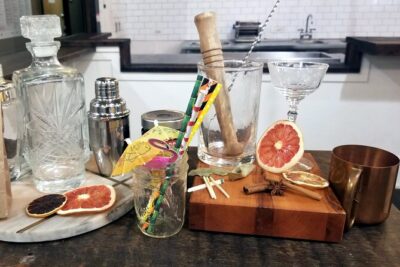
Mad Scientist Drink Fusion Lab, A Mocktail Focused Workshop
Read our review →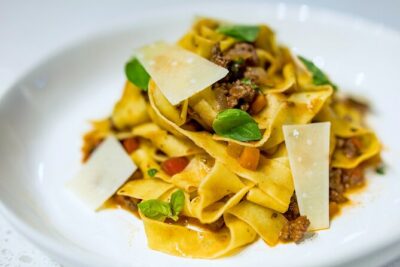
Authentic Italian Cooking Class in Seattle (5-Course Meal)
Read our review →
Private Seattle Cooking Class with a Chef in Her Home
Read our review →
Japanese Sushi Cooking Class in Seattle (Includes 4-Course Meal)
Read our review →
Traditional Japanese Ramen Cooking Class in Seattle
Read our review →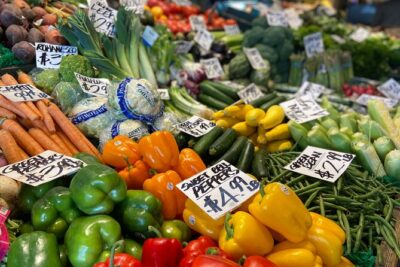
Private Pike Place Market Tour and Cooking Class with a Local
Read our review →Browse the lists this tour appears in